


Advancing the Identification of KBAs in Spain
Authors: David Fco. Díaz Fernández (Spanish KBA National Coordination Group); Faye Weaver, Catherine Numa (IUCN Centre for Mediterranean Cooperation); Octavio Infante (SEO/BirdLife, Chair - Spanish KBA National Coordination Group)
A comprehensive national KBA identification process has started in Spain thanks to INTEGRA, a research project led by IUCN and the Experimental Station of Arid Zones (EEZA-CSIC) and supported by the Biodiversity Foundation of the Spanish Ministry for Ecological Transition and Demographic Challenge (MITECO) through co-financing from the European Regional Development Fund (ERDF). INTEGRA aims to ecosystem services – at the national scale, in order to design a network which is ecologically coherent, climate generate knowledge to advance in the spatial integration of three key elements of green infrastructure – biodiversity, connectivity and resilient and can continue to provide societal benefits.
The first year of the project is dedicated to the identification and characterisation of Key Biodiversity Areas (KBAs) in Spain. This first national assessment using the KBA Standard is both promising and challenging. Spain is one of the most biodiverse countries in Europe, with many endemic species, many of which have recently been assessed for the National Red List, creating an excellent opportunity to increase the coverage of KBAs across the country. Like any KBA process, however, beyond time and funding limitations - with only three workshops to be organised - major challenges are expected regarding non-assessed species and the need of revisit the boundaries of existing KBAs to improve their compliance with the management requirements of the KBA Standard.
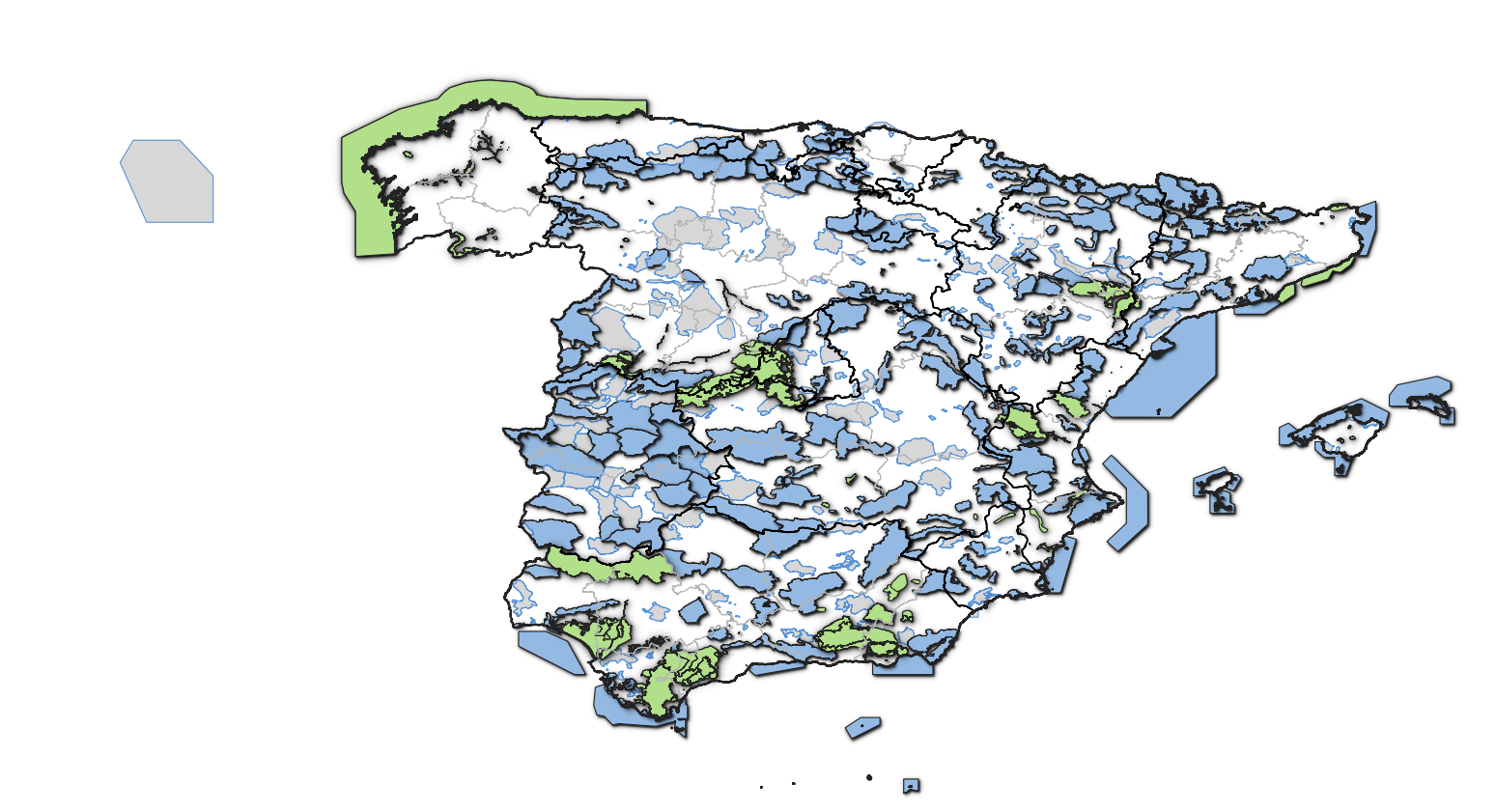
Existing and proposed KBAs in Spain; in green new proposals or existing KBA with boundary modifications; in blue, existing KBA with updated trigger species; in grey, existing KBA with no data (yet). Canary Islands are not included in this map.
The Spanish KBA initiative began in 2024 with various KBA training sessions within the framework of the GaP project, and the creation of the National Coordination Group, which is currently coordinated by the Spanish Ornithological Society (SEO/BirdLife). Since then, SEO/BirdLife has also led the assessment of Important Bird and Biodiversity Areas (IBAs), including the Efect-IBA project, which delivered two important foundations for the KBA assessment: bird data which enabled more than 140 IBAs to be assessed as global KBAs, including potential new KBAs; and a new approach for developing Extent of Suitable Habitat (ESH) maps for freshwater species from locality data. In the framework of INTEGRA, in addition to SEO/BirdLife’s bird assessments, data on other species were requested from members of the National Coordination Group. Notably, the Iberian Society of Ichthyology (SIBIC) supplied all continental fish data from the Carta Piscícola - more than 67,000 records - for analysis using the new ESH methodology, while the Spanish Association for the Conservation and Study of Bats (SECEMU) supplied a list of species and KBAs, including proposed new sites. Data on individual species were also provided by the Spanish Society for Plant Conservation Biology (SEBICOP) and the Spanish Entomological Association (AeE). Other organisations, including the Zerynthia Association, which coordinates the National Red List process for butterflies, and Biosfera Environmental Consultancy, which coordinates the Iberian desman strategy and surveys, supplied key data on threatened and endemic species.
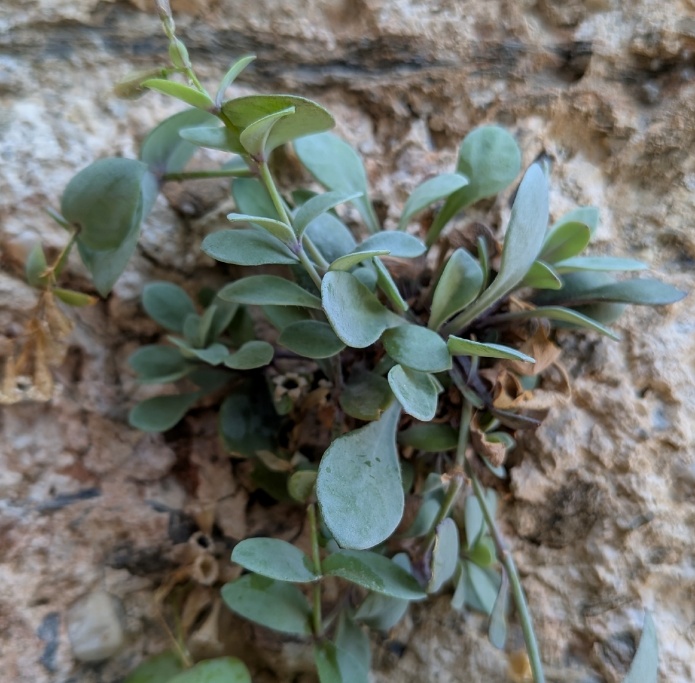
During the Leon workshop, the participants visited a potential KBA proposed due to the presence of several endemic, threatened rock-dwelling plant species, such as Petrocoptis viscosa, pictured here at the Castle of Cornatel. © David Díaz
So far, two workshops have been organised to share and review the gathered data, obtain more information and discuss the delineation of both existing and new KBAs. The first workshop was held in Seville in June, hosted by the Doñana Biological Station, while the second was organised in Leon in July, hosted by the University of Leon. A total of 29 experts from universities, NGOs and local authorities (such as royal gardens and park technicians) have participated, resulting in the proposal of 636 trigger species for 266 sites, including the re-delineation of many existing KBAs and the identification of more than 40 new potential global KBAs. In total, the current KBA dataset includes over 1,400 records of 683 species for over 410 sites. The workshop data is still being curated, with updated information for some very relevant groups for KBA identification, including new data for Mollusca from the Spanish Society of Malacology (SEM).
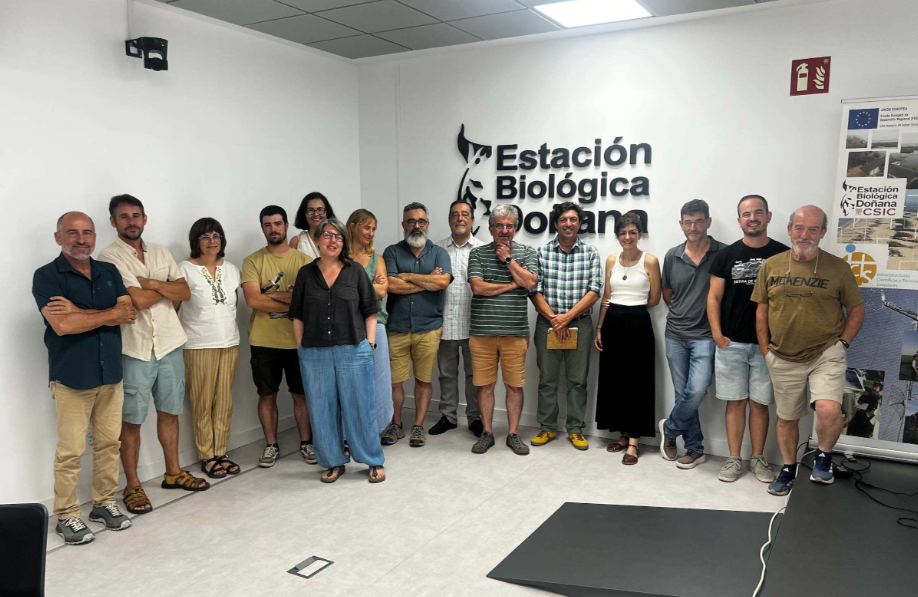
Group photo of the Seville workshop participants (June 2026). © IUCN
One of the highlights of this process is the revision of Sierra Nevada, in Granada (Andalucía), with a (not yet complete) list of 300 potential trigger species, mostly endemic plants and arthropods, many of which are globally threatened. This is particularly significant because, although a KBA may contain populations of hundreds of species within its boundaries – and thousands in the case of tropical areas - the nature of the KBA criteria implies that few species meet global criteria. In fact, only 102 KBAs worldwide have 100 or more species meeting KBA criteria. While, logically, not all the species proposed for Sierra Nevada will trigger the KBA criteria, the high levels of endemism, the clarity on the taxonomic status of the species, and the in-depth knowledge of the area and its species - largely thanks to the University of Granada´s decades of work in the area - will make it possible to rank Sierra Nevada among the world’s leading KBAs in terms of the number of confirmed species, and certainly far above any other KBA continental European level.
While these workshops comprise a significant advancement in the identification of KBAs in Spain, they have also highlighted the ongoing threats and conservation challenges to species. Unfortunately, during the workshop in Seville it was confirmed that the fairy shrimp (Linderiella baetica), a small crustacean assessed as Critically Endangered in 2019 and only known from the temporary Carretones pond in Puerto Real (Cádiz), a candidate for KBA criterion A1e, may be extinct in the wild as a shopping centre has since been built on the site, completely transforming the species’ only known habitat. On the other hand, a few days after the workshop in Leon, one of the three known populations of the Critically Endangered nomevés(“you don’t see me” in Spanish, Gyrocaryum oppositifolium) was surrounded by one of the largest recent fires in the country; miraculously, the slope where the species is found was not affected.
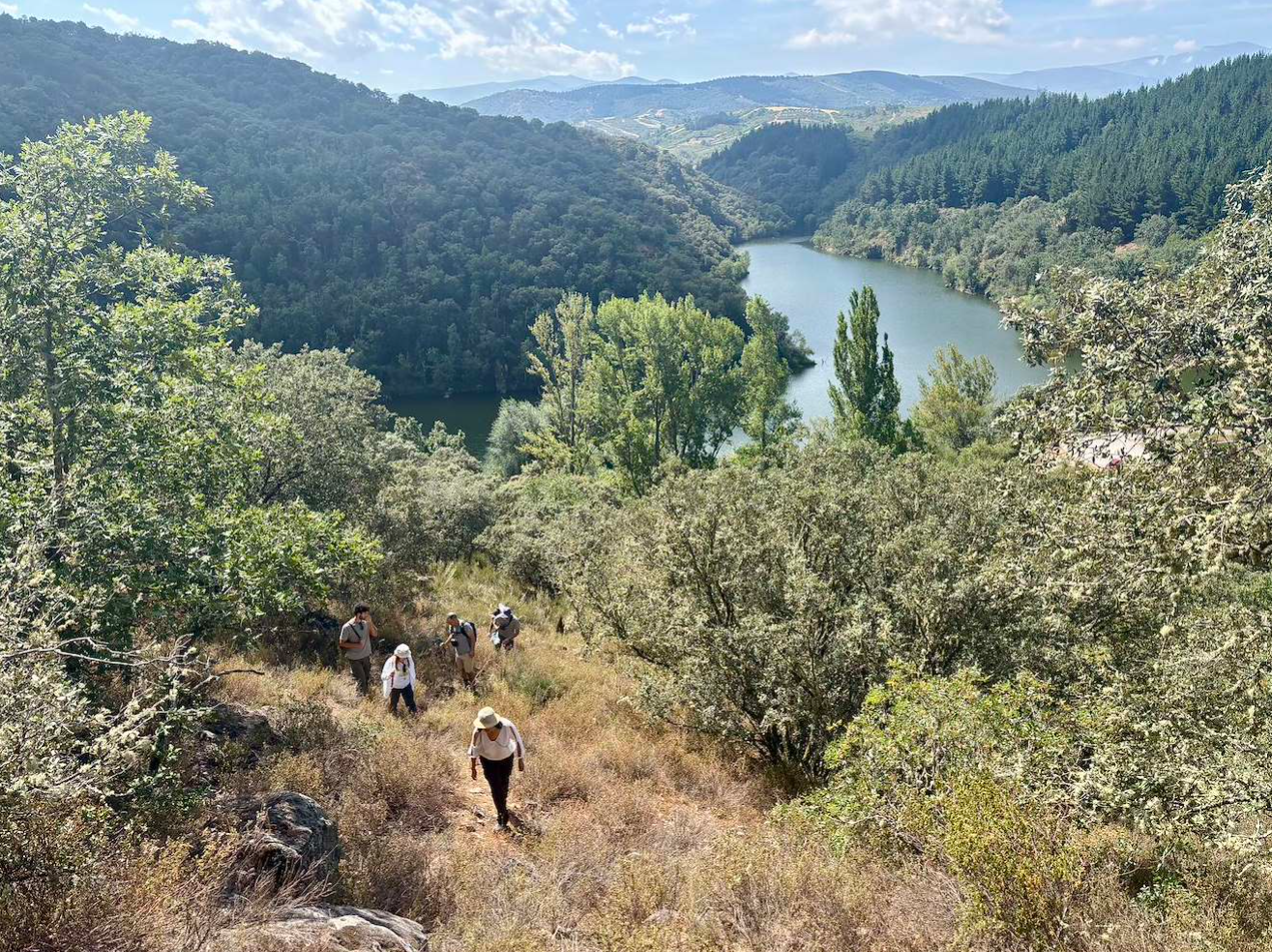
As part of the Leon workshop, the participants visited a potential KBA proposed due to the presence of nomevés (Gyrocaryum oppositifolium), an endemic, Critically Endangered plant species. © IUCN
Considering threatened (or potentially threatened) and range-restricted species, there are around 7,000 potential trigger species in Spain, of which this first assessment aims to cover approximately 1,000, including many of the nationally endemic species recently assessed for the National Red List by the Spanish Species Specialist Group of the IUCN Species Survival Commission. Many of these endemic species are found in the Canary Islands, where a third workshop will take place this autumn.
There are still many gaps to fill and numerous challenges to address, including how to better involve representatives of the Autonomous Communities (which manage data of critical importance for KBA identification), improving coordination between Red Listing and KBA processes (in most cases, both processes require the involvement of the same experts), raising funds for continuing KBA assessments (some areas and taxonomic groups won’t be sufficiently covered by INTEGRA, including ecosystems which are not being assessed at this stage). Despite these challenges, which are inherent to any KBA process, the advances to date are very promising, particularly thanks to the high level of involvement and participation of national experts in such a demanding process.
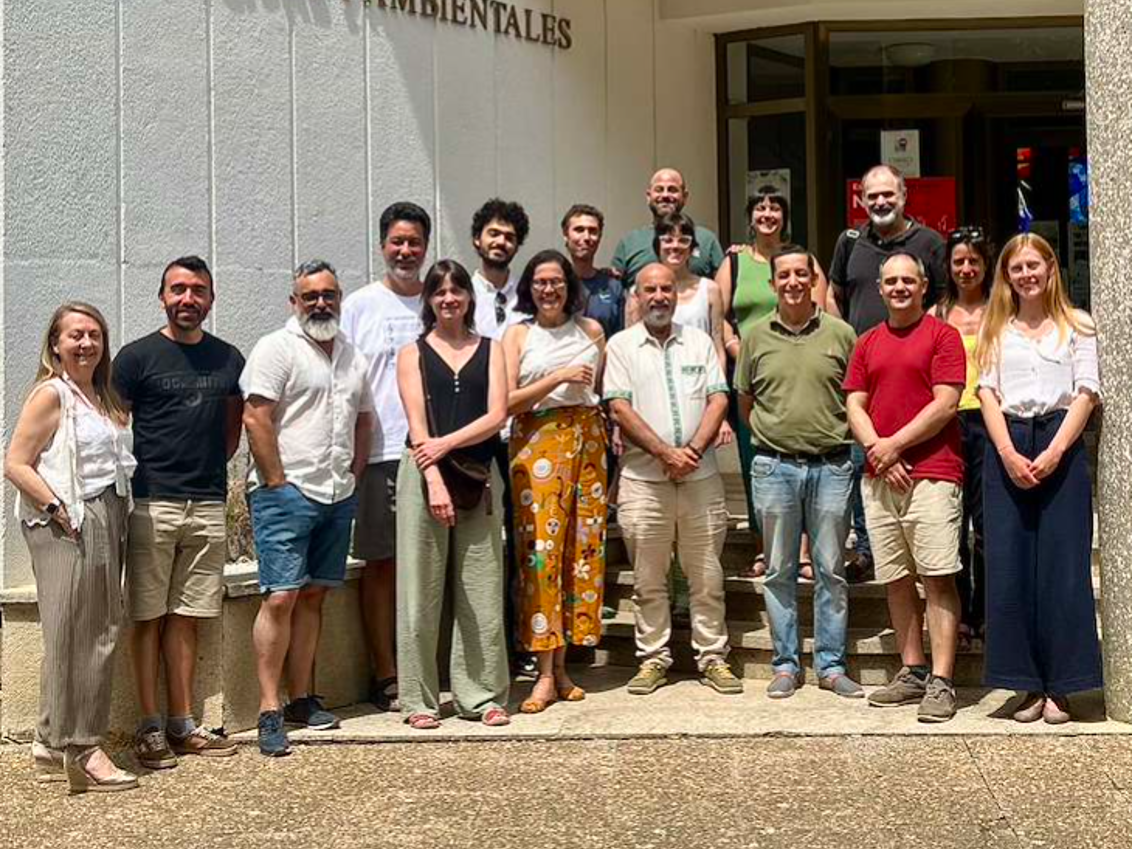
Group photo of the Leon workshop participants (July 2026). © IUCN
The results of this KBA assessment will be submitted to the National Coordination Group by January 2027, and the sites will be formally proposed to the Regional Focal Point and the KBA Secretariat between February and April 2027.
