


Global Assessment Exposes Ambition Gap in World Biodiversity Commitments: Half of Nations Fall Short on 2030 Nature Targets
A new analysis of national biodiversity strategy and action plans (NBSAPs) from 150 countries under the Kunming-Montreal Global Biodiversity Framework (KMGBF) reveals a gap in defining, prioritising, and safeguarding Earth’s most vital ecosystems before the 2030 deadline.
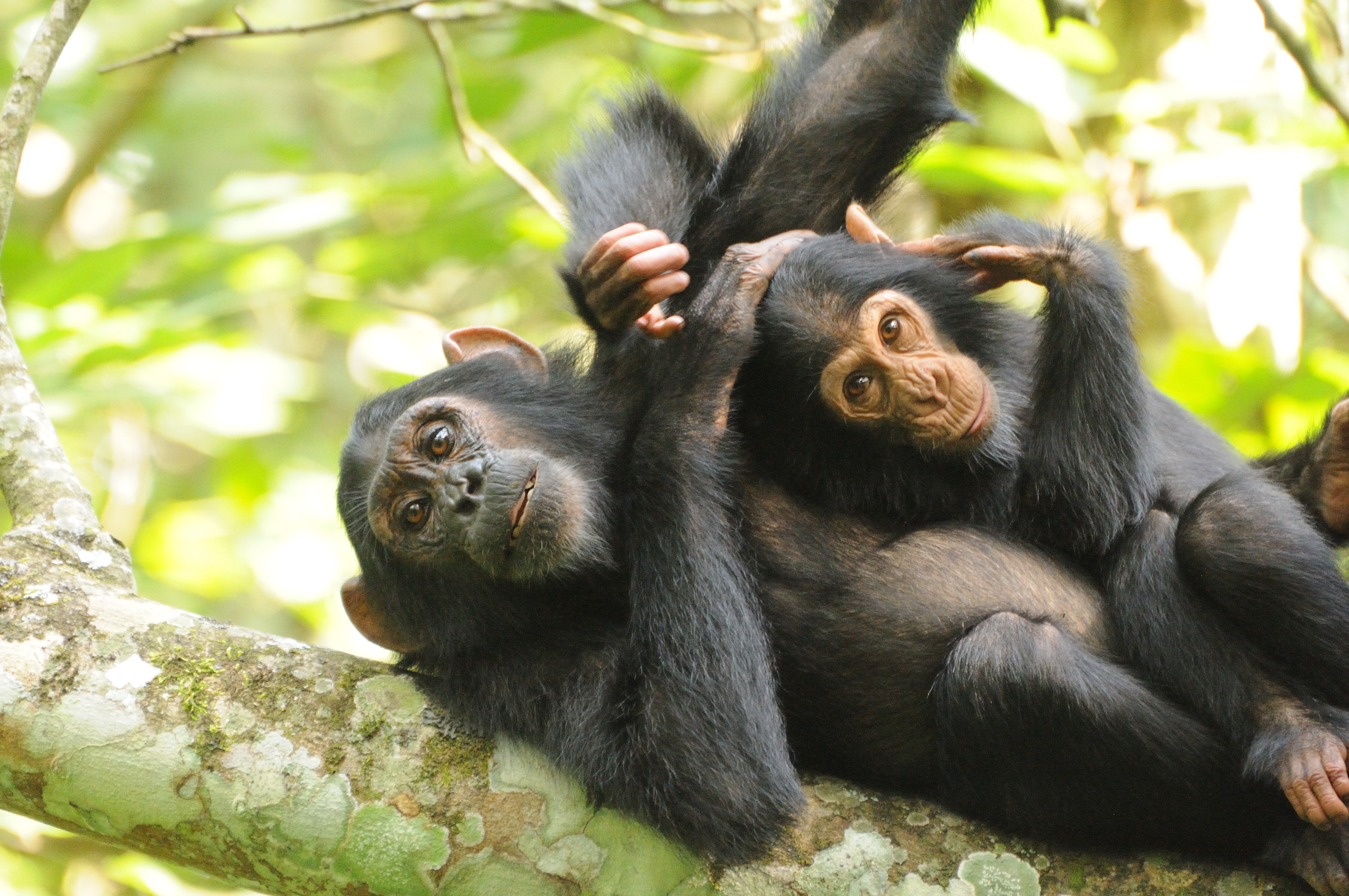
Chimpanzees © Andrew J Plumptre
The new study, published in Conservation Biology, analysed official submissions from 150 countries—representing 77% of all Parties to the Convention on Biological Diversity (CBD). The findings show that across six core measures of implementation ambition, an average of only 29% of NBSAPs and 31% of submissions to the CBD’s Online Reporting Tool (ORT) meet basic international benchmarks. Alarmingly, roughly half of all submitting nations—48% of NBSAP plans and 53% of ORT target submissions—demonstrated no ambition to meet these fundamental commitments.
Key Global Findings
An evaluation across six critical policy areas highlights widespread structural gaps in how nations plan to execute their 2030 nature goals:
- No Definitions for Critically Important Sites for Biodiversity: All countries failed to formally define what constitutes an "area of particular importance for biodiversity", a term used in KMGBF Targets 1 and 3, in their national plan, leaving conservation expansions vulnerable to being placed in low-value lands.
- Limited Prioritisation of ‘areas of particular importance for biodiversity’ or Key Biodiversity Areas (KBAs): While 40% of national strategy plans identified KBAs—globally recognised sites critical for species and ecosystem survival—only 26% included specific targets, actions, or indicators to protect or restore them.
- The Freshwater Blind Spot: While 44% to 53% of countries committed to the headline 30% protection target for land and 37% to 45% for oceans, freshwater ecosystems were overwhelmingly ignored. Fewer than 10% of national plans set explicit 30% protection goals for rivers and lakes, while over 83% set no freshwater protection target at all.
- Spatial Planning Lacks Rigor: Although 84% of NBSAPs and 96% of ORT submissions pledged to develop biodiversity spatial plans (Target 1), 65% failed to specify any methodology. Only 6% proposed Systematic Conservation Planning (SCP) to balance land use trade-offs, and only 19% planned to integrate KBAs into spatial zoning.
- Weak Corporate Disclosure Mandates: While approximately 50% of nations plan to encourage businesses to assess their biodiversity impacts (Target 15), only 14% intend to make impact reporting legally mandatory for large corporations.
- Limited Cross-Sector Mainstreaming: Only 16% of countries with national plans intend to use spatial planning as a direct policy tool to mainstream biodiversity considerations across broader government sectors like agriculture, infrastructure, and energy (Target 14).
Authors also evaluated if, in fact, countries are protecting the right 30% of the planet to achieve the ambitious Target 3 of the KMGBF. Prior CBD assessments showed that earlier conservation targets often led governments to protect remote or economically low-value areas rather than sites with the highest concentrations of threatened species. The new audit reveals that current national commitments risk repeating these mistakes. Without explicit spatial definitions and systematic targeting, countries may achieve 30% coverage on paper while leaving globally significant biodiversity unprotected.
Furthermore, the study highlights a severe underutilisation of Other Effective Area-based Conservation Measures (OECMs)—conserved areas managed by Indigenous Peoples, local communities, or private landholders outside formal national parks. Only 45% of NBSAP countries planned to identify OECMs, and just 27% planned formal legal or policy recognition for them.
"We are now more than halfway along the road to 2030 and ambition to achieve the targets in the global biodiversity framework are too low to have the impact required to reverse biodiversity loss”, stated Dr Andrew Plumptre, one of the lead authors on the paper, “Thankfully leadership is coming from the global south, some of the most biodiversity-rich countries, and we hope that what is planned will be implemented there”.
The research uncovered striking regional variations in policy commitment. More than 50% of European submissions scored as having "no ambition" across the evaluation metrics, and 46% of European NBSAPs and 64% of European ORT submissions failed to align their national targets with the KMGBF, despite the European Union's prominent leadership role in international negotiations. However, higher levels of target alignment and Key Biodiversity Area integration were observed across Africa, the Americas and Caribbean, the Middle East, and Asia. For instance, 65% of countries in the Americas and Caribbean, 63% in the Middle East, and 54% in Africa integrated KBAs into their national plans.
Halfway through the KMGBF’s implementation decade, the authors encourage governments to establish dedicated, resourced, and politically empowered teams to drive national biodiversity action and to recognise the importance of updating national Key Biodiversity Area networks across all species and ecosystems, using existing data to ensure 30x30 expansions cover truly globally irreplaceable sites.