

Protecting Vital Biodiversity Sites in the Amazon and beyond: New Initiative Launches in Brazil and the Guiana Shield
Today, a transformative two-year project has been officially launched to identify and conserve the most important sites for biodiversity across Brazil, Guyana, Suriname, and French Guiana (overseas department and region of France). This initiative, supported by the Bezos Earth Fund and led by BirdLife International on behalf of the Key Biodiversity Areas (KBA) Partnership, aims to comprehensively map and safeguard Key Biodiversity Areas—sites that harbour the most critical populations of unique plants, animals, and ecosystems on Earth—in these countries.
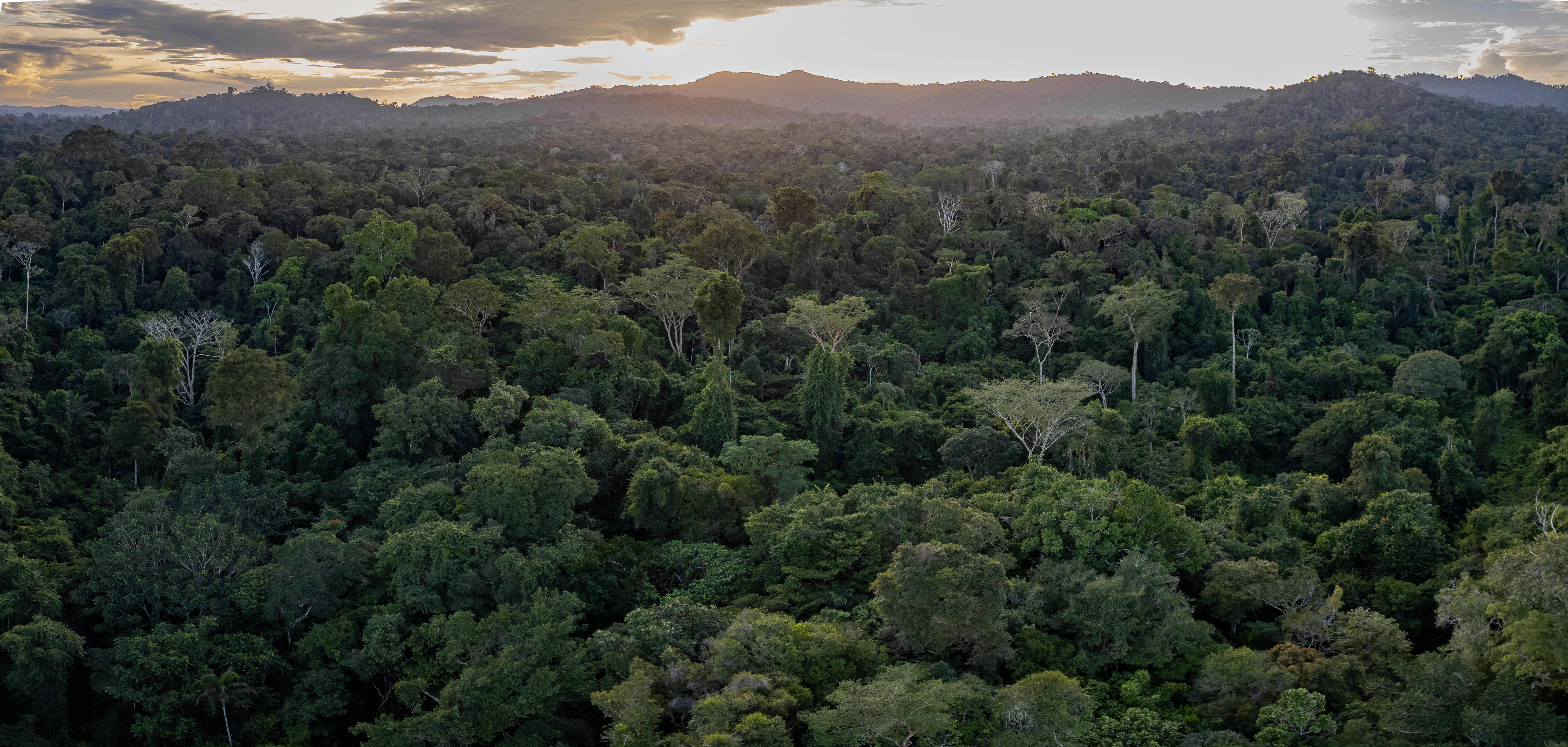
The project will map sites across the Amazon basin and the Guiana Shield, two of the most biodiverse regions on the planet, which play a vital role in climate regulation and sustaining life for millions, including Indigenous Peoples. It will also identify KBAs in other highly biodiverse, and threatened, biomes in Brazil, including the Atlantic Forests, Cerrado, Caatinga, Pantanal, Pampa and coastal and marine ecosystems. Despite their significance, many crucial sites within these regions remain undocumented and unprotected.
Expanding on successes from a previous Bezos Earth Fund supported project in the Tropical Andes and Congo Basin that doubled the number of known KBAs, this $4 million project will bring together governments, scientific experts, conservation organisations, and Indigenous Peoples and local communities to identify these irreplaceable sites building on crucial traditional ecological knowledge as well as advanced tools. A new tool for identifying Key Biodiversity Areas (KBAs) will soon be integrated into the World Database of KBAs. This project will explore how artificial intelligence (AI) can accelerate the discovery of key biodiversity sites, enabling faster, more precise conservation actions worldwide.
This effort directly supports the Kunming-Montreal Global Biodiversity Framework’s Target 3, which aims to conserve at least 30% of Earth’s land and marine areas by 2030. In Brazil, the project will be implemented by SAVE Brasil, BirdLife International’s partner in the country. Meanwhile, KBA assessments and conservation integration in the Guiana Shield will be undertaken by three KBA partners: WWF in Suriname and French Guiana, and Conservation International (CI) and Re:wild in Guyana.
“For 30x30 to deliver for nature, countries need clear evidence about which places matter most for biodiversity,” said Padu Franco, Senior Program Manager, Andes & Amazon, at the Bezos Earth Fund. “Building on the work we supported for KBAs in the Tropical Andes and Congo Basin, this grant will help national experts close critical data gaps in Brazil and the Guiana Shield, strengthening the evidence available for conservation and land-use decisions.”
In Brazil, the project will also support an official process led by the Ministry of the Environment and Climate Change to update national priority areas for biodiversity conservation and sustainable use.
Some expected outcomes for this project, apart from the expansion of the KBA network, are the inclusion of KBAs into national spatial planning and biodiversity policies, the strengthening of national conservation strategies and protected and conserved area networks, and fostering collaboration between governments, NGOs, Indigenous Peoples and local communities, and academia to ensure sustainable biodiversity outcomes.
More than 16,600 KBAs are already recognized globally, safeguarding vital habitat for over 13,000 species. This latest initiative will fill critical knowledge gaps in the Amazon and nearby biomes, ensuring that nature’s defenders—Indigenous Peoples and Local Communities— receive the recognition and protection they urgently deserve.
“Through KBA assessments, we can identify the most critical sites for species survival and ecosystem resilience, ensuring that conservation action is guided by robust scientific evidence,” said Maria Gabriela Toscano, project lead at BirdLife International. “Protecting these key areas is essential not only for biodiversity, but also for the wellbeing of communities who depend on healthy forest ecosystems.”
“The integration of these sites into national policies means real protection on the ground, helping meet global biodiversity targets and securing the future of this hugely important region,” added Zoltan Waliczky, Senior Advisor on Sites and Landscapes at BirdLife International.
"As we launch the national initiative to identify priority sites and areas for biodiversity conservation, Brazil is building on past work by hundreds of specialists to recognise and safeguard the places that sustain our unique natural heritage. This project is a decisive step forward in mapping the ecosystems and species most critical for survival, guiding smarter land-use and conservation decisions, strengthening our commitments under the Convention on Biological Diversity, and helping secure livelihoods that depend on healthy ecosystems." Braulio Dias, Director of Conservation and Sustainable Use of Biodiversity at the Ministry of Environment and Climate Change of Brazil.
“Identifying KBAs is the scientific tool that points to where conservation is most vital. The participatory model ensures that this conservation is carried out with the strength and wisdom of those who live in and protect the forest.” Pedro Develey, Strategic Advisor at SAVE Brasil (BirdLife in Brazil).
“Building on our previous work identifying Important Bird and Biodiversity Areas (IBAs) in Brazil, the KBA framework allows us to transition from a species-specific focus to a comprehensive view of site-based conservation”, stated Alice Reisfeld, Executive Director at SAVE Brasil (BirdLife in Brazil). “By identifying these priority and irreplaceable sites, we are safeguarding habitat to ensure that the most vital ecosystems receive the protection they require to thrive.”
“The Amazon is on the verge of a critical tipping point. Deforestation and climate change are leading to reduced rainfall – if not checked, conditions may become unsuitable to sustain tropical rainforest, with devastating consequences for Indigenous Peoples, local communities, wildlife and the global climate” said Wendy Elliott, Senior Director Wildlife, WWF International. “This project will provide the evidence base to engender truly collective efforts to prevent the loss of the most important sites in this area, for all our benefit.”
“Identifying Key Biodiversity Areas is a critical step in understanding and protecting the most important places on Earth. These sites represent the most significant locations for biodiversity, supporting unique species, ecosystems, and evolutionary processes. By pinpointing these places, evidence-based conservation actions can maximize ecological resilience and safeguard the natural systems upon which humanity depends.” Andrew Snyder, Site Priorities and Impact Manager, Re:wild.
This project exemplifies international collaboration and innovation in conservation, setting a blueprint for safeguarding nature in some of the world’s great biodiversity hotspots.