


Site-based conservation for seabirds: 30 Years of Key Biodiversity Areas and how we can collectively improve an essential conservation tool
Author: Jonathan “Jono” Handley
At a glance
For more than three decades, conservationists have been identifying and protecting the world's most important places for seabirds.
- A new review of the global network of Key Biodiversity Areas (KBAs) for seabirds reveals just how far this effort has come, and where key opportunities may lie for future site identification.
- Readers can review the manuscript here, and we encourage investigators to review the supplementary material (at end of online article) of the manuscript which further details research gaps that investigators can support completing.
- The Marine Megafauna Conservation Toolkit provides a starting point for identifying KBAs in the marine environment, particularly from animal tracking data.
Drawing on data from more than 4,300 sites worldwide, the study shows how advances in technology, particularly animal tracking, have transformed our ability to identify critical marine sites and guide action for one of the world's most threatened groups of vertebrates.
A global site network for seabirds built over 30 years
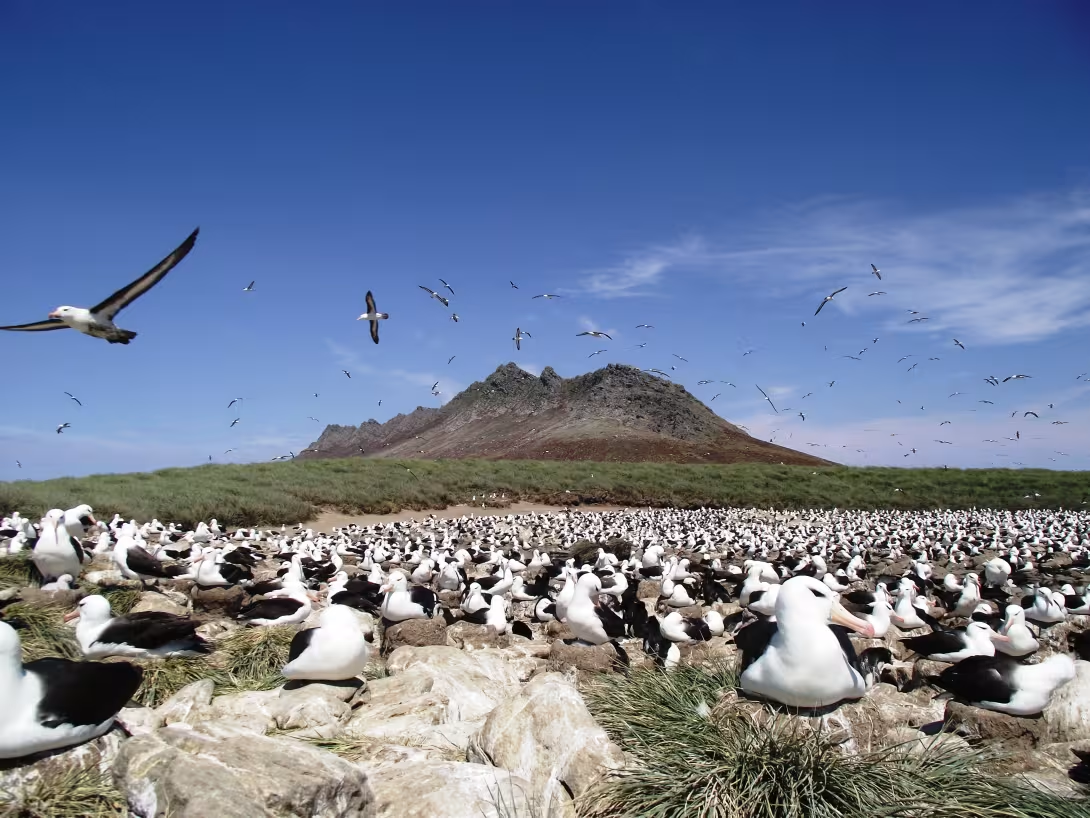
The first seabird KBAs were identified in 1994. Since then, the network has grown to include approximately 4,300 sites triggered by 357 seabird species, spanning every continent and all of the world’s oceans.
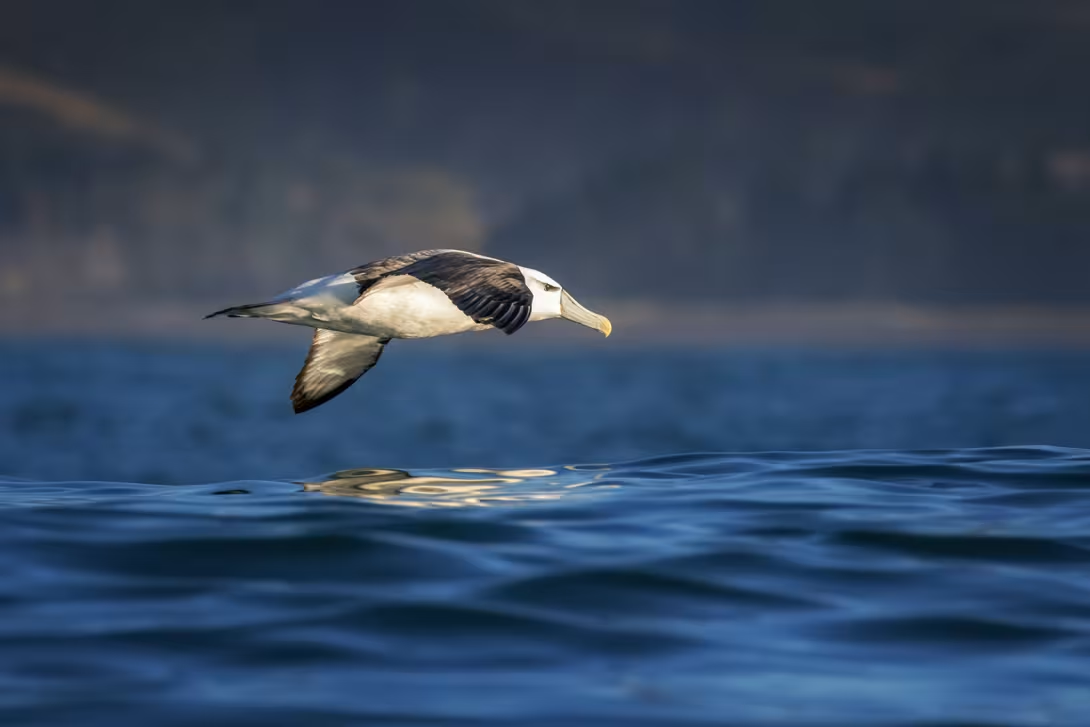
A large number of marine sites were added to the database in 2012. The widespread use of GPS tracking and other animal-tracking technologies enabled researchers to identify important feeding, migration and congregation areas far from land. These tools have revealed critical sites that were previously impossible to map.
From site identification to conservation action
Identifying important sites is only the first step. The ultimate goal is conservation action.
The review highlights several examples where KBAs have directly informed management decisions. In South Georgia and the South Sandwich Islands, marine KBAs helped guide fisheries management by identifying areas important for marine predators and assessing how fishing activity overlapped with biodiversity hotspots, ultimately informing a revision of the MPA management plan.
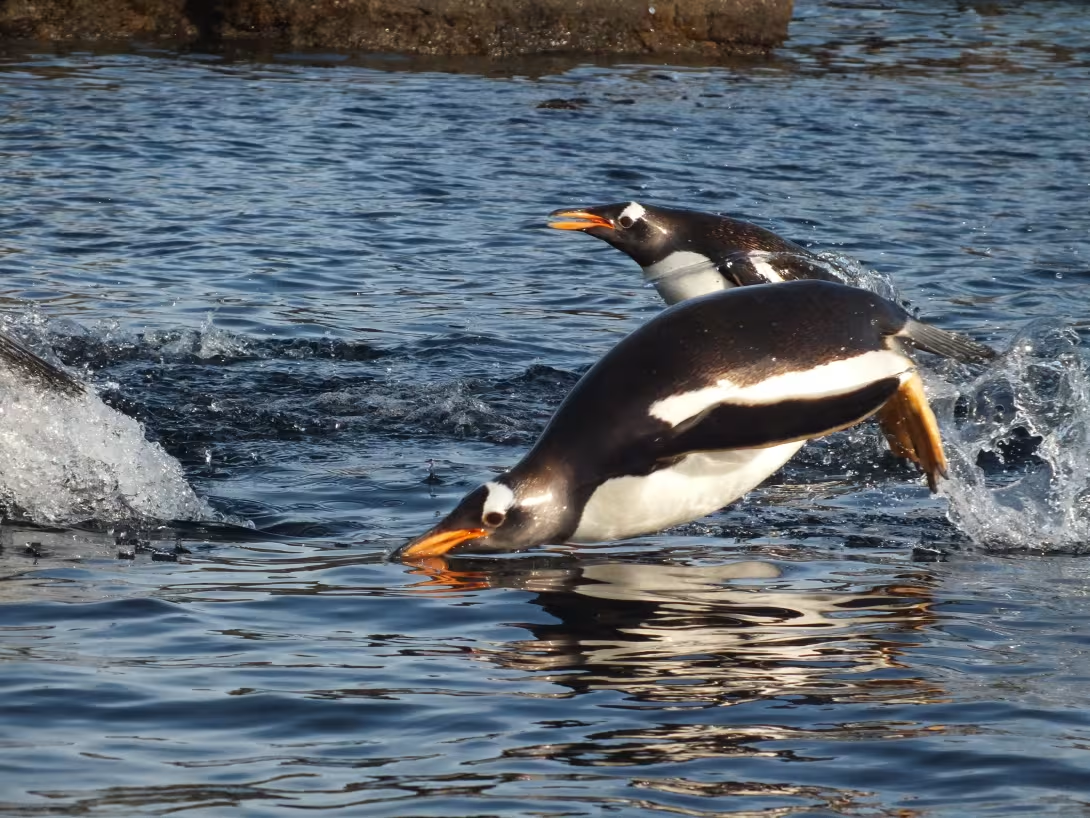
In South Africa, tracking data from the Critically Endangered African Penguin informed the designation of fisheries no-take zones around key breeding colonies. By reducing competition between penguins and fisheries for prey species, these measures contribute to efforts to prevent further penguin population declines.
Further offshore, seabird KBA data helped support the designation of the North Atlantic Current and Evlanov Sea Basin (NACES) Marine Protected Area in international waters, demonstrating how biodiversity data can help shape conservation beyond national jurisdictions.
Where are the gaps?
Despite the scale of the current network, important gaps remain.
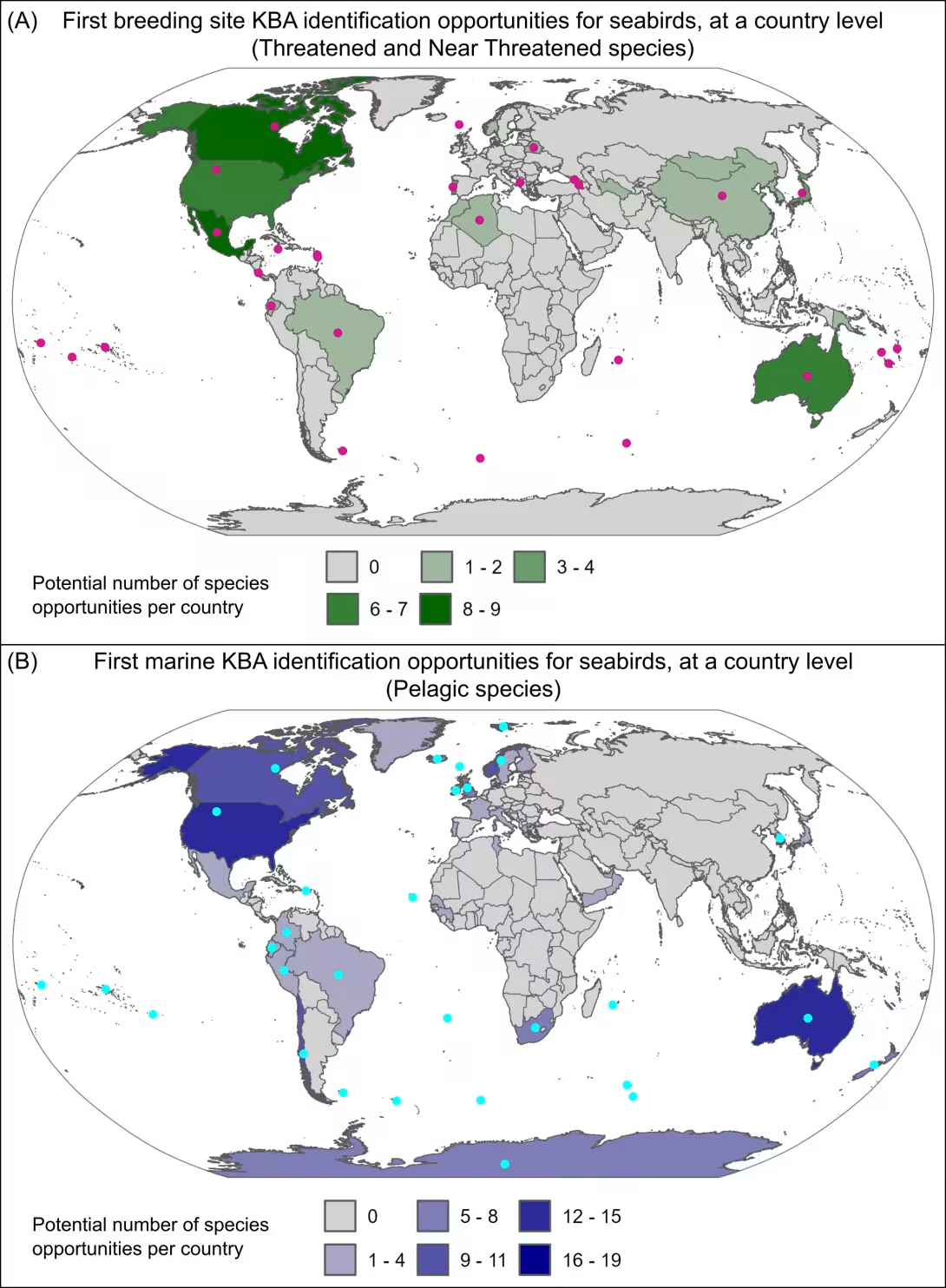
Seven seabird species are still not recognised in the KBA database anywhere in the world. Furthermore, the review also found potential opportunities to identify the first breeding-site KBAs for 49 threatened or Near Threatened species across 46 countries, and the first marine KBAs for 108 pelagic seabird species across 55 countries.
Additionally, there may be opportunity to identify sites representing migration corridors and non-breeding stages for many species.
Why do the high seas matter?
One of the most urgent priorities is expanding KBA identification in areas beyond national jurisdiction.
Many seabirds spend much of their lives in the high seas, crossing international boundaries and using ocean regions far from any country's territorial waters. The recent entry into force of the High Seas Treaty creates new opportunities for area-based conservation in these regions.
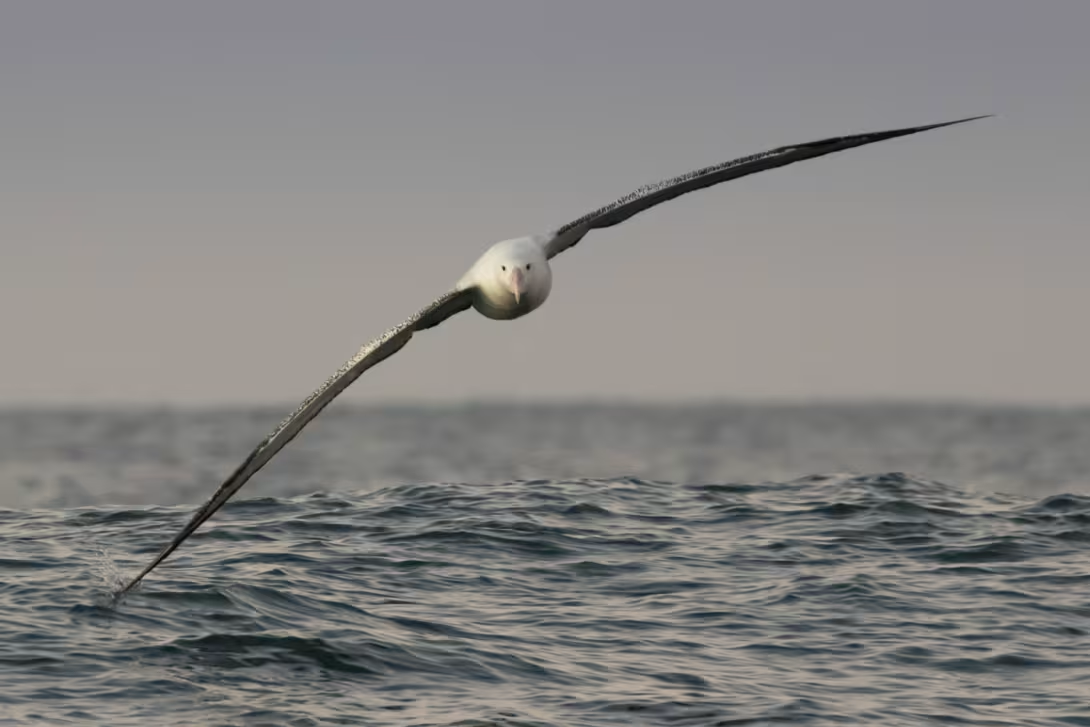
A stronger network of high-seas KBAs can provide the scientific evidence needed to support marine protected area identification, marine spatial planning and other conservation measures under this new international framework.
Next steps
The success of seabird KBAs reflects decades of collaboration between researchers, conservation practitioners, volunteers, governments and funding partners. Yet identifying sites is only part of the challenge.
Maintaining an effective network requires regular monitoring, reassessment and updating of site information. Currently, only around one-fifth of sites have undergone reassessment,
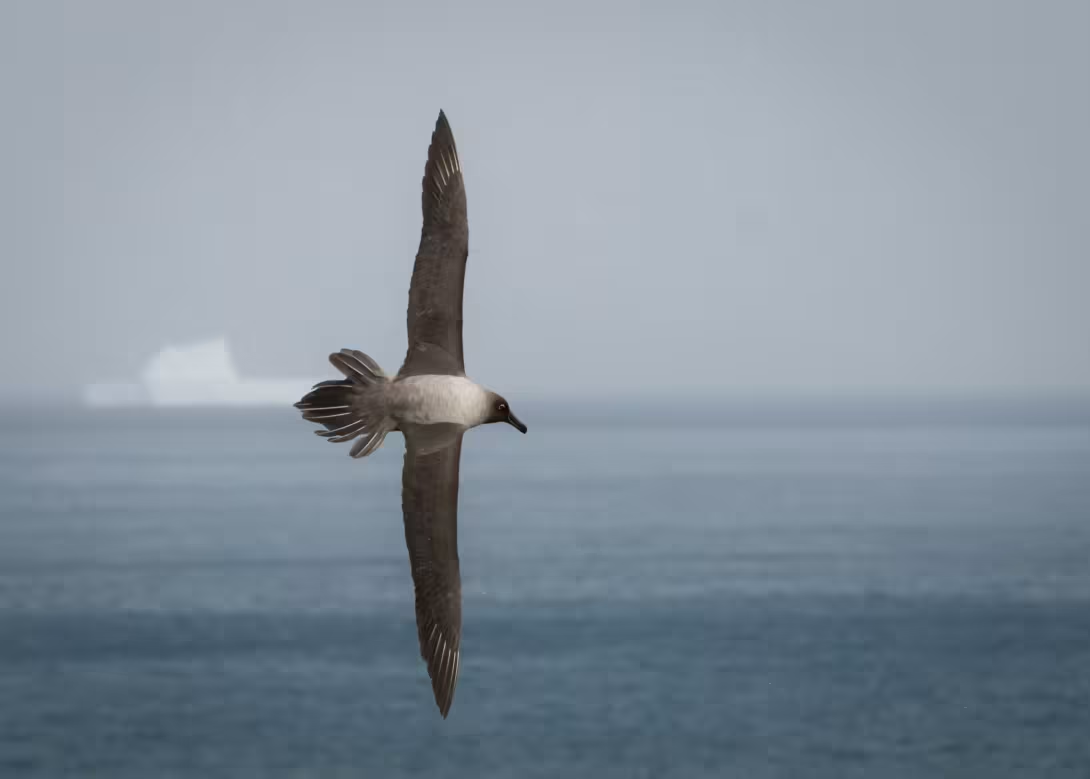
highlighting the need for continued investment in monitoring programmes and data sharing.
New analytical tools are needed, and advances in tracking technology and improved understanding of seabird movements will continue to strengthen the network. As countries work towards global biodiversity targets and implement new marine conservation agreements, KBAs provide a practical, science-based framework for directing conservation effort where it matters most.
After 30 years of progress, the global seabird KBA network has become an essential foundation for marine conservation, and expanding and maintaining this network will be critical for securing the future of seabirds and the ecosystems they depend upon.
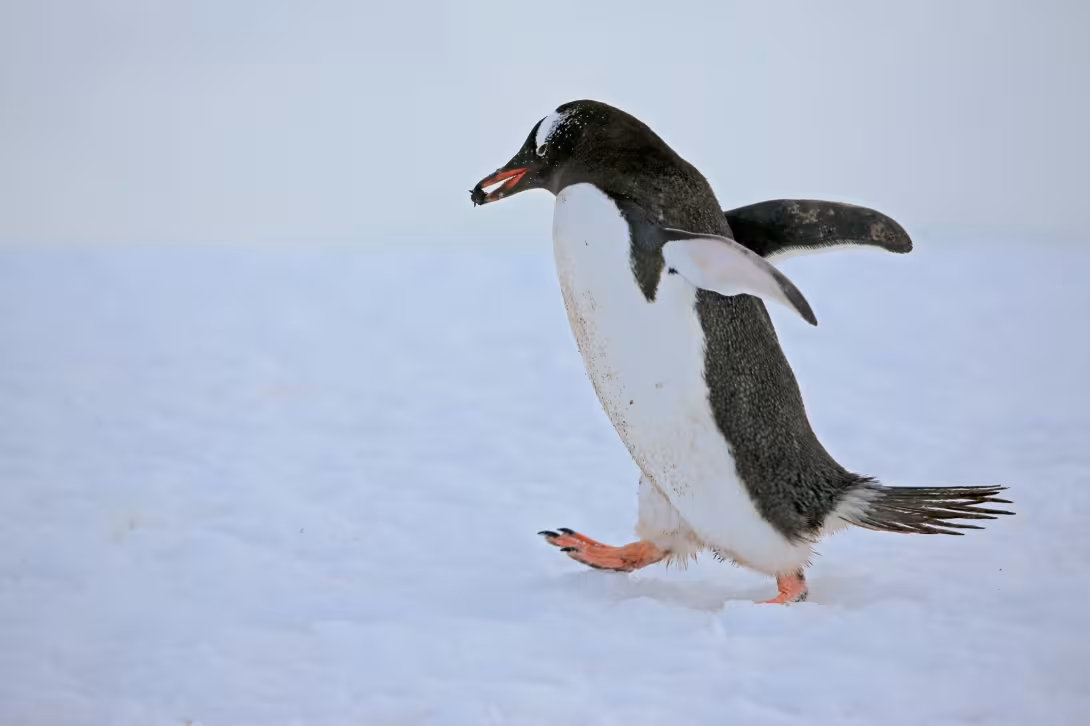
Further reading: The full paper is published in the journal, Marine Biology. You can access it here.