


Beyond the pot: the invaluable socioecological potential of Key Biodiversity areas (KBAs) on Lake Tanganyika
Authors: Lwabanya MABO & Lloyd H. Haambiya
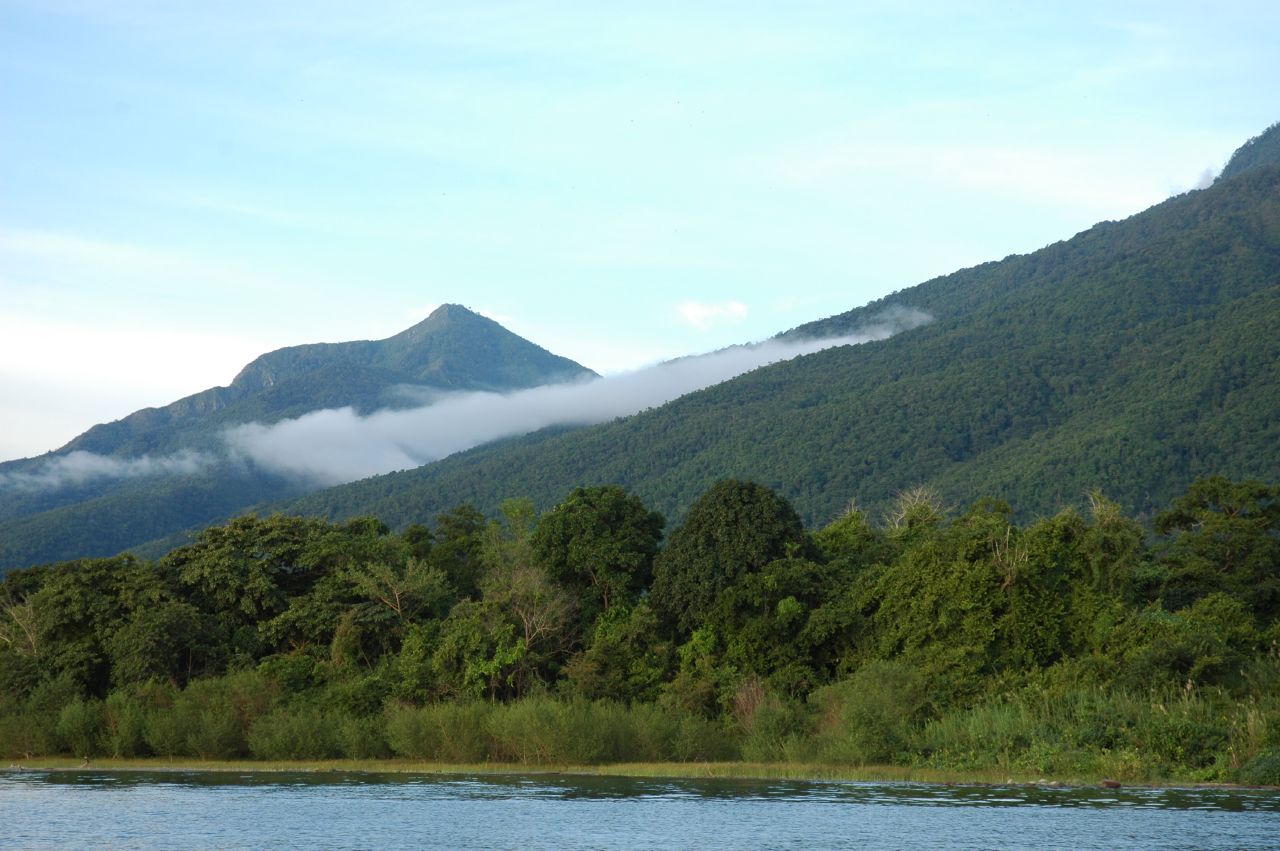
The Lake Tanganyika (LT) fisheries have, from time immemorial, provided a vital lifeline beyond its shoreline, mainly defined by its extensive fish value chain, stretching from actual riparian dwellers, processors, traders, transporters, and retailers to all levels. With its unique species endemism, fish from this lake provide a spectacular level of taste, from the famous English fish (Nkupu, Kuhe), to the perches, to the small coloured cichlids. However, for centuries, fisheries from this lake have not been viewed beyond the pot – fish of value are those providing consumptive use.
A recent study by the Nature Conservancy's Lake Tanganyika Program on the ornamental fish trade found that smaller, brightly coloured cichlids could provide an additional layer beyond the fish nutritional value chain, when considered as pets that could provide a new set of lucrative business lines for fisheries. Working with a local veteran ornamental operator, researchers discovered a direct relationship between the number of fish extraction points, the number of species exploited, and the KBA perimeters. KBAs at Mpulungu and Cameron Bay, which fall within the community-led management model, had a significantly higher number of critical extraction sites than non-KBA-designated localities. Comparing the market value when a cichlid fish is taken as an ornamental and when regarded as relish reveals that the resource can offer invaluable contributions to the socioecological needs of the lake when taken as an ornamental. A single pet fish fetches on average $5 to $60 (USD); way better compared to 100 pieces of the same costing being $1 (USD) when taken as food. Its common place that these species are also exploited unsustainably using tiny meshed seine nets and monofilament nets. While the ornamental fish trade exists on the lake, the business venture remains fragmented, poorly supported, and likely to pose a serious conservation challenge if not well regulated. In the face of dwindling commercial fish stocks of high consumptive value, we contend that small bright-coloured cichlids, if taken beyond the pot, can offer a sustainable option as extractive ornamental fisheries or pet aquaculture.
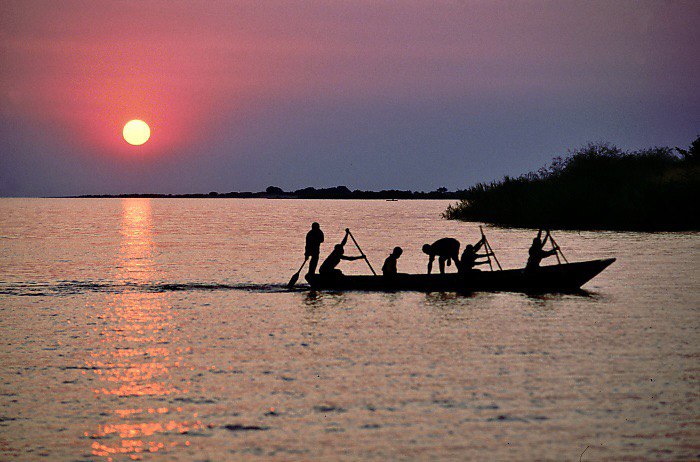
The Zambian front of LT has five IUCN-designated KBAs, all delineated within the littoral zone, representing the first 0 to 70m depths. This depth range is important for fish communities of LT, providing suitable habitats and food resources. The use of the KBA model to protect nearshore fish communities will not only boost the recovery of related fish species in designated habitats but is likely to add value to the ornamental fish trade, which we strongly view as a sustainable alternative to the current consumptive use.