


Clear objectives enable effective conservation: the African elephant case
A groundbreaking new study reveals that optimal investment portfolios for conservation vary substantially based on even minor differences in objectives. By analysing African elephant populations in 79 protected areas, it was demonstrated that a strategy optimised for one goal is invariably suboptimal for others.
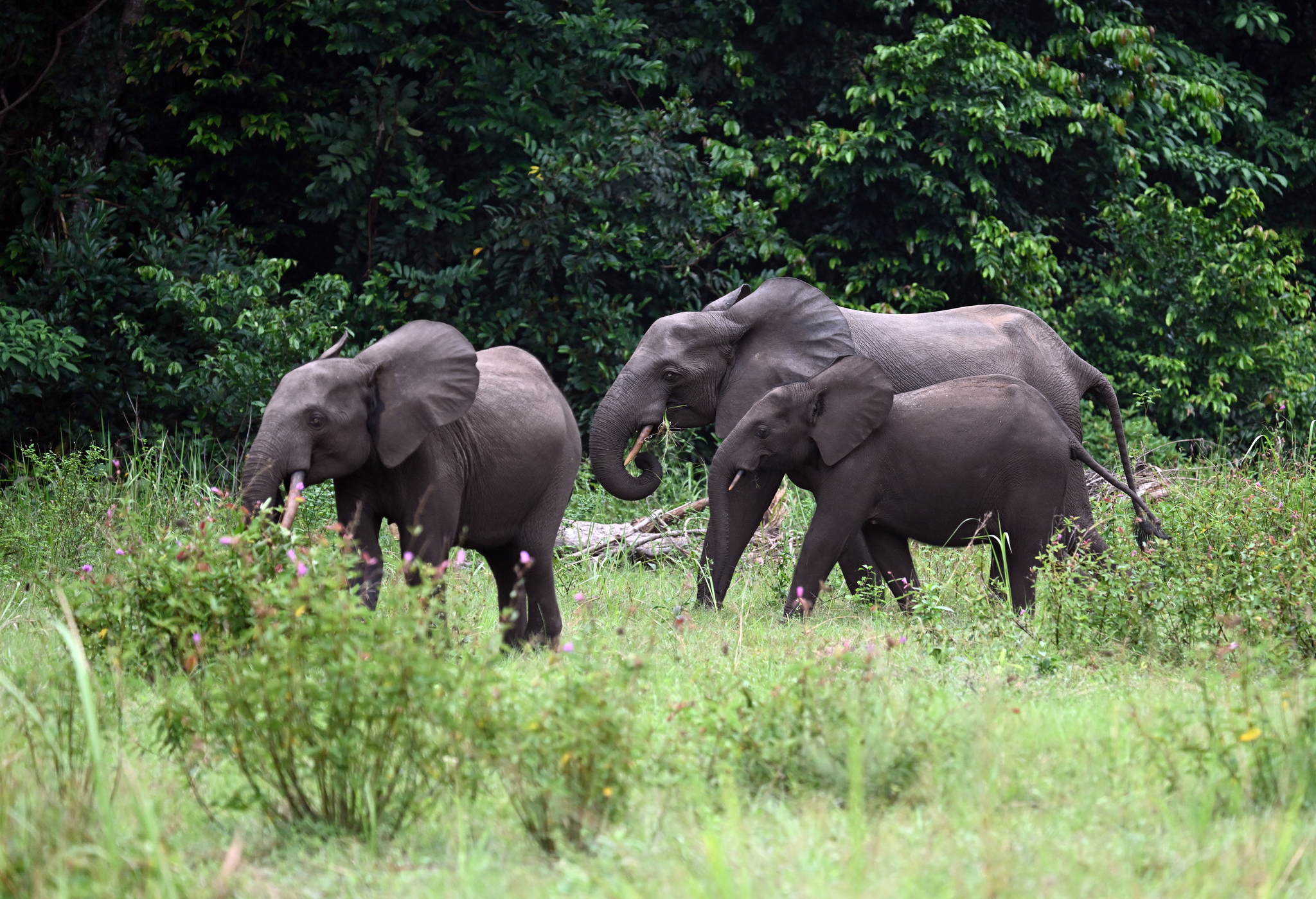
The research, published in Conservation Science and Practice, highlights how precise conservation goals fundamentally dictate where money should be spent to protect African elephants. The authors used a return on investment (ROI) model to demonstrate that even minor adjustments in a project's objective—such as choosing between maximising total animal counts versus ensuring population viability—drastically shift which geographic areas receive funding.
For instance, efforts to increase raw numbers often prioritise large, declining populations, while a focus on stability favours smaller, manageable groups. The findings suggest that current "Business as Usual" (BAU) spending is frequently inefficient and fails to optimise results. For example, several sites that have recently received the greatest donor investment—such as Serengeti, Selous, Niassa, and Gorongosa—were identified as poor choices for any of the five conservation objectives tested: total elephants, total elephants (favourable status), total elephants (positive growth), populations (stable or positive growth), and populations (favourable status).
To maximise the total number of elephants across the continent, the study suggests that the greatest levels of donor funding should be allocated to countries like Zimbabwe (38%), Gabon (15%), and Zambia (9%). Meanwhile, to maximise elephant populations that have stable or positive growth rates, funding would be best allocated to Tanzania (22%), Zimbabwe (19%) and Angola (11%).
Budget sensitivity was another key part of the study. The authors concluded that the ideal investment strategy should change depending on the total available budget. In that sense, stakeholders should articulate precise, quantitative objectives and move away from simple ranking schemes to ensure limited resources achieve the greatest possible impact.
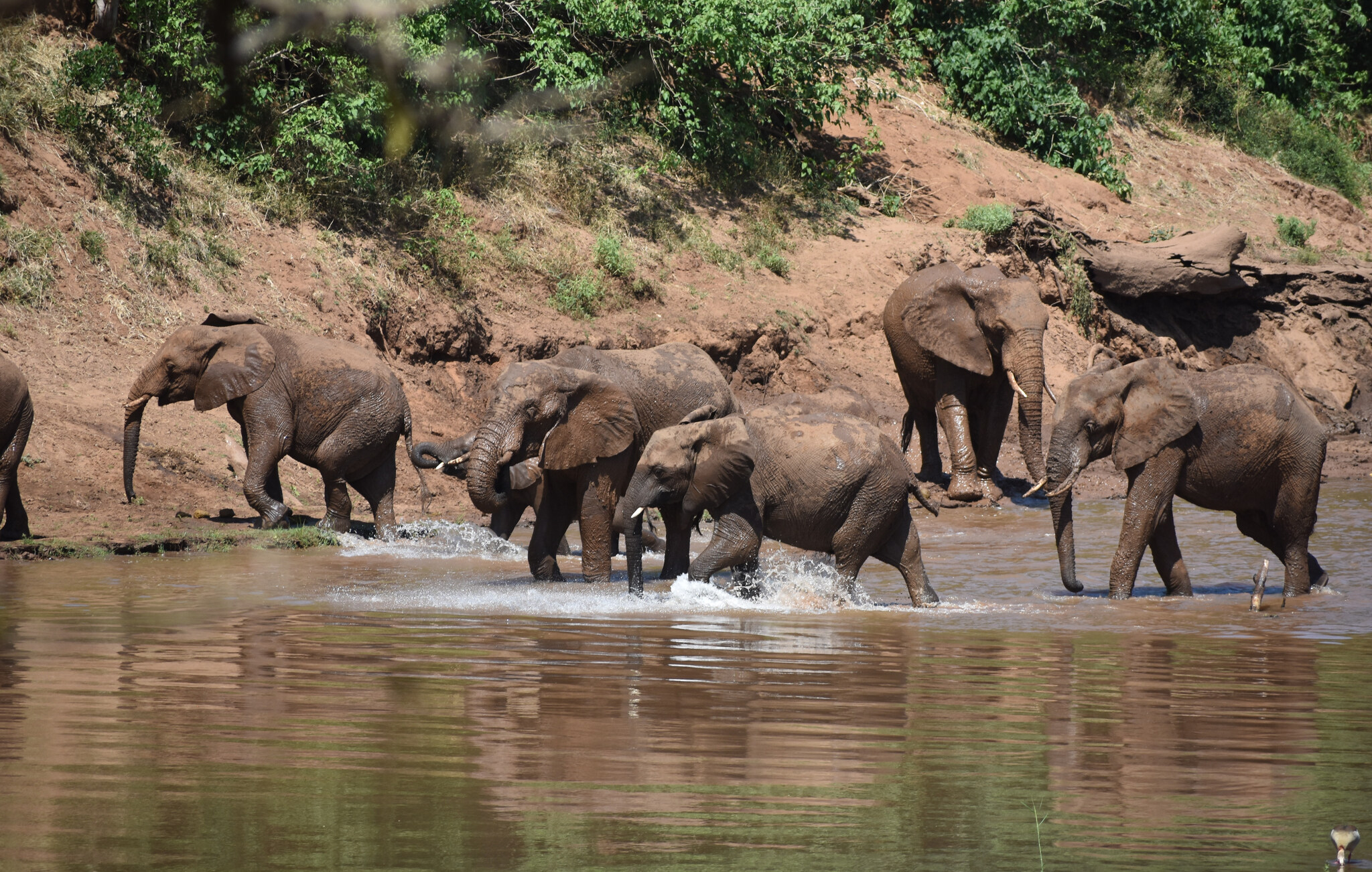
This study reinforces the importance of prioritising conservation actions and making the most out of the limited resources available for it. Donor investment should be focused on areas that are key to the persistence of significant populations of elephants and other species. Key Biodiversity Areas (KBAs) provide a framework to make such decisions as they pinpoint important places with significant populations of the species that qualify them as KBAs. Protecting them means protecting the most important populations together with the associated biodiversity found at these sites.