


Globally Threatened Pampas Meadowlarks (Lesites defilippii) are back at a critical breeding site within the “Campos de El Tapado” KBA in northern Uruguay

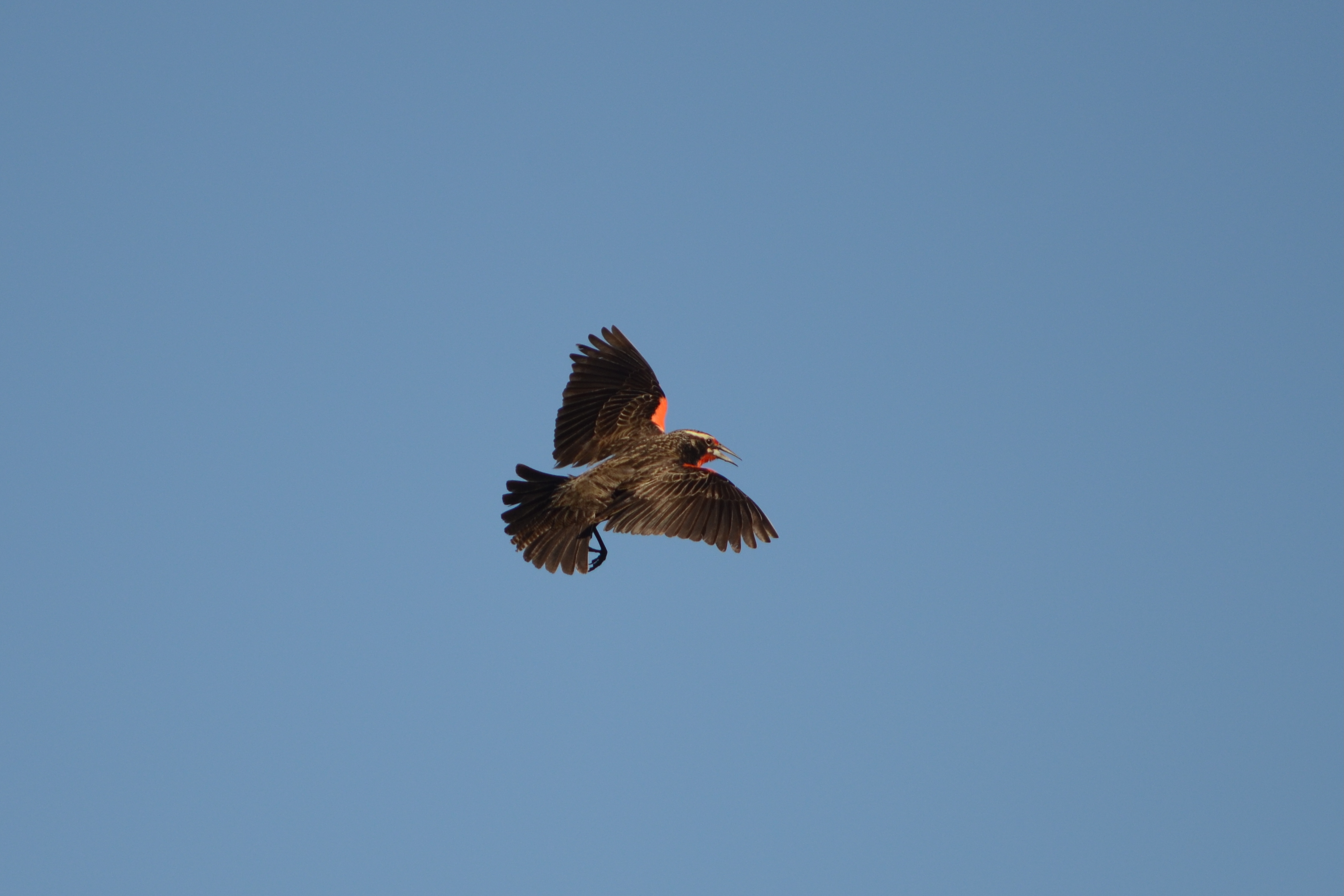
Like other major grassland ecoregions around the world, the Pampas in southeastern South America have suffered significant impacts over the last 400 years. Livestock grazing, agriculture, and, more recently, afforestation have led to substantial habitat alteration, resulting in negative impacts on grassland specialists. A primary example is the Pampas Meadowlark (Leistes defilippii), a globally threatened blackbird mainly restricted to large tracts of well-conserved native grasslands. While its former range covered most of the Pampas biome across eastern Argentina, Uruguay, and southern Brazil, it now survives in only a few localities within the first two countries. According to the latest data, only one to two thousand birds remain.
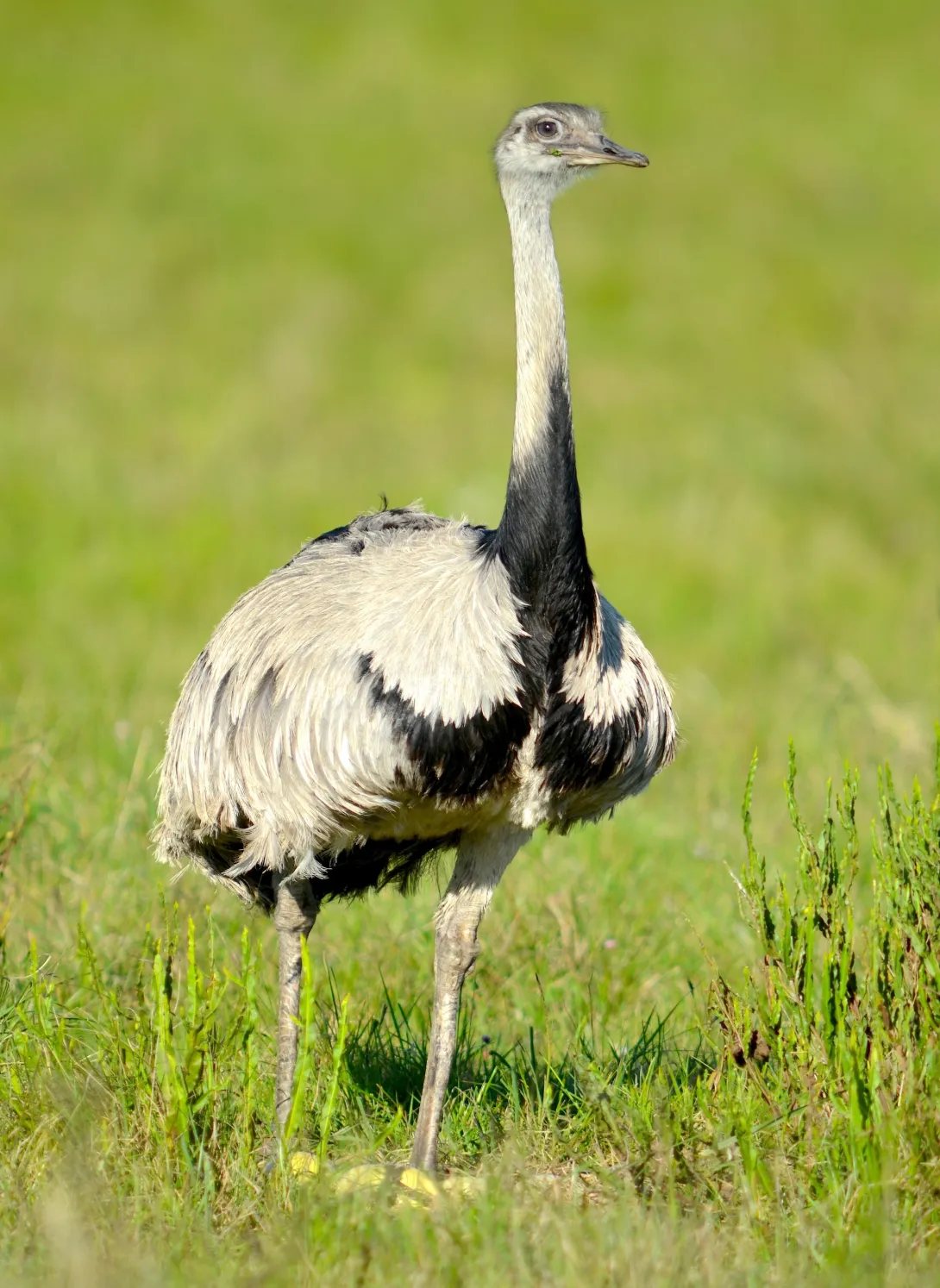
In Uruguay, this species is found in two or three populations across the central and northern parts of the country. Its primary stronghold is the Arerunguá region in southeastern Salto, where a few hundred pairs reside in some of the best grassland tracts of the whole Pampas. Over the last 30 years, this population has been studied and monitored, particularly during a breeding biology study conducted from 2008 to 2016.
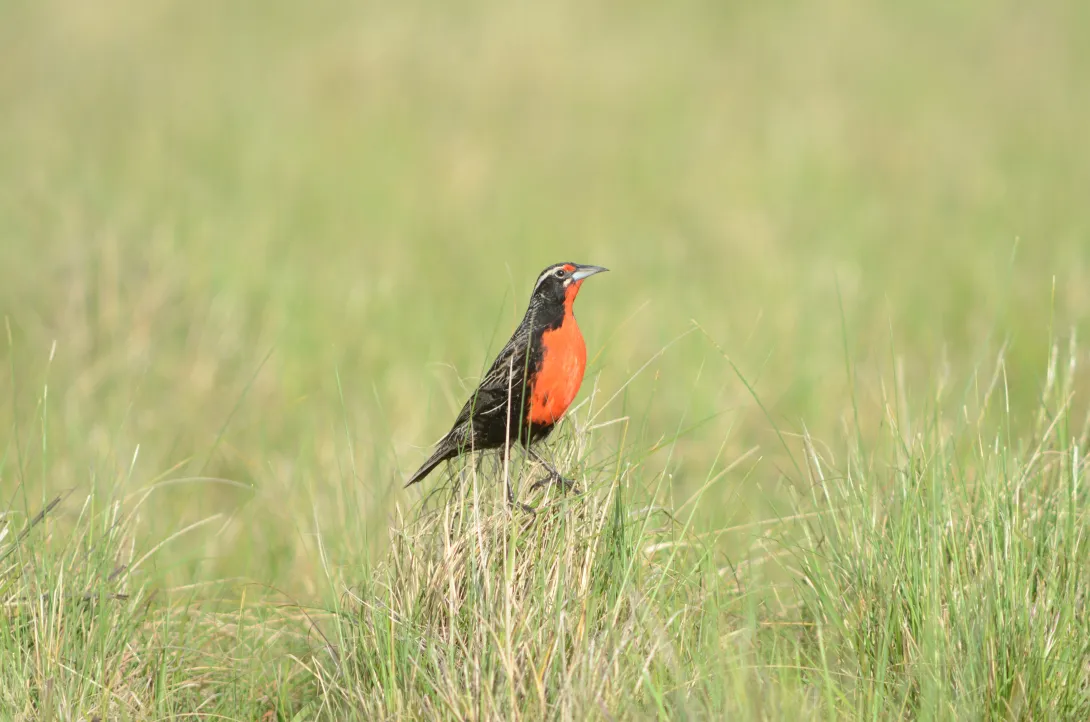
Surveys showed that each spring, a large proportion of the local breeding population concentrated in a few paddocks that met specific habitat requirements: patches of relatively long, dense grass for nesting interspersed with shorter vegetation for foraging. For years, approximately 150–200 pairs successfully nested in the area.
However, in the spring of 2016, for reasons not yet fully understood, the main nesting site was abandoned. Most concerningly, the birds could not be relocated elsewhere. In late 2016, a post-breeding flock was found, but bird numbers were significantly below historic records. In the following years, indirect evidence suggested a possible link between the disappearance of the birds and the use of a veterinary product that may have affected critical food resources, such as insect larvae. This potential connection has not yet been thoroughly investigated.
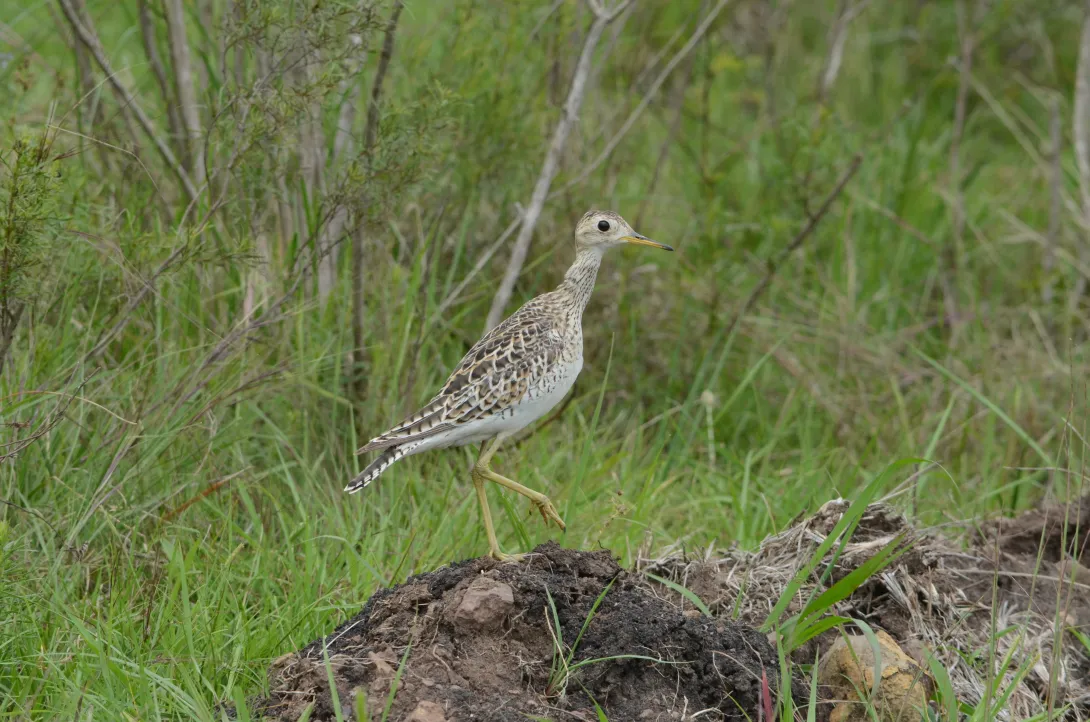
Surveys conducted over the past several years have documented a worrying decline, characterized by sparse records of a handful of individuals and abandoned nesting sites. However, a new conservation opportunity emerged in 2025 as approximately 35–45 pairs of meadowlarks reoccupied historic breeding grounds. Although these numbers are far from pre-2016 figures, these findings represent the most significant news for the breeding meadowlarks of the 'Campos de El Tapado' KBA in 10 years.
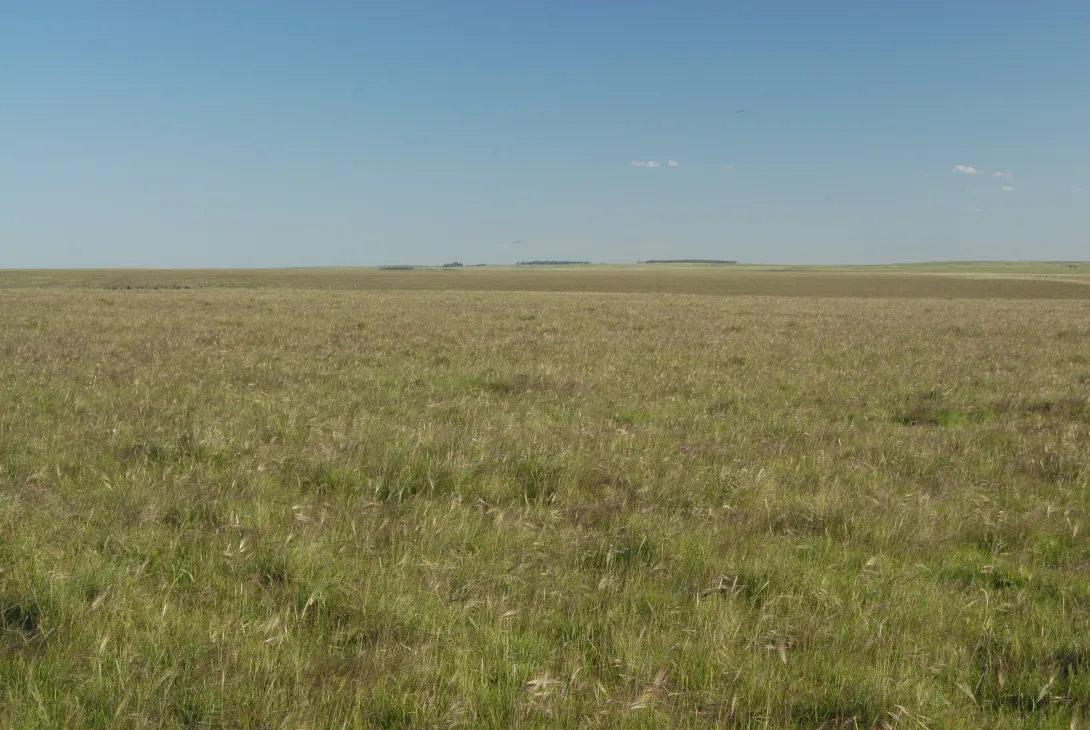
In the short term, the main priority is to conduct a detailed census of meadowlarks throughout the Arerunguá region, with an emphasis on historic breeding grounds. In the long term, the future of this iconic Pampas bird depends on the availability of suitable native grassland patches that meet its requirements for area and habitat quality. Given that agricultural intensification threatens the species' survival, a critical step is identifying and promoting livestock-ranching schemes that maintain essential habitat features and foraging resources. The specific requirements of the Pampas Meadowlark make it an excellent umbrella species; therefore, its conservation would benefit many other lesser-known components of grassland biodiversity.