


High prevalence of traded bird species in Key Biodiversity Areas
Authors: Oscar Morton and Tom Lansley
- On average there are more than twice as many traded or used bird species within KBAs than nontraded species.
- Global hotspots of richness, extinction risk, and range rarity for traded species disproportionately occur in KBAs.
-
There is an urgent need to protect key sites and ensure that any use and trade of species within them are sustainable.
The use and trade of species is essential for hundreds of millions of livelihoods around the world and represents an industry worth billions. However, if poorly managed, such use and trade can rapidly become unsustainable, threatening both species and livelihoods. In a new study published in Conservation Biology we explored how well such species are represented in Key Biodiversity Areas (KBAs).
Importance for traded species
The most striking finding of our study is the sheer diversity of traded species potentially occurring within KBAs. While it is well known that KBAs are hotspots for biodiversity, the degree to which they harbour potentially used and traded species is remarkable. We find that on average, there are more than twice as many traded bird species within KBAs than non-traded species. This is despite estimates that less than half of all bird species globally are currently thought to be in trade. This underscores that KBAs are not necessarily just biodiversity strongholds; they can also be active landscapes where human activities and species conservation are inextricably linked.
Hotspots of Risk and Rarity
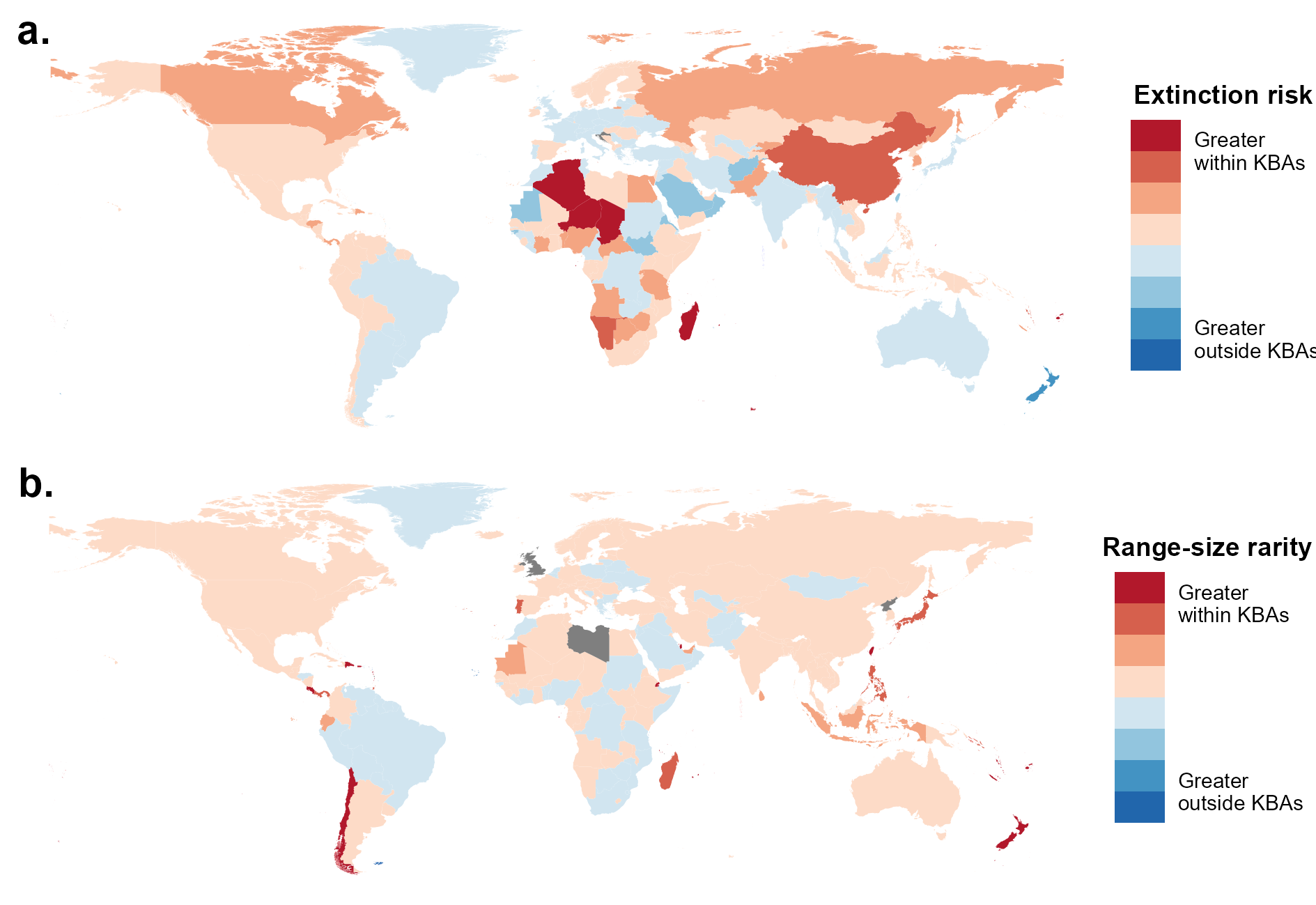
By design KBAs often specifically host threatened or small-ranged species. We found that for traded species, KBAs were disproportionately important relative to the areas immediately surrounding them for extinction risk (relatively high prevalence of threatened species) and range-size rarity (relatively large areas of habitat for small-ranged species). Thus KBAs also potentially identify areas where there is considerable pressure from biological resource use. Hotspots of extinction risk for traded species within KBAs include East Africa and South-east Asia, whereas hotspots for range-rarity are more widely distributed, but more common on islands and in tropical regions.
Looking forward
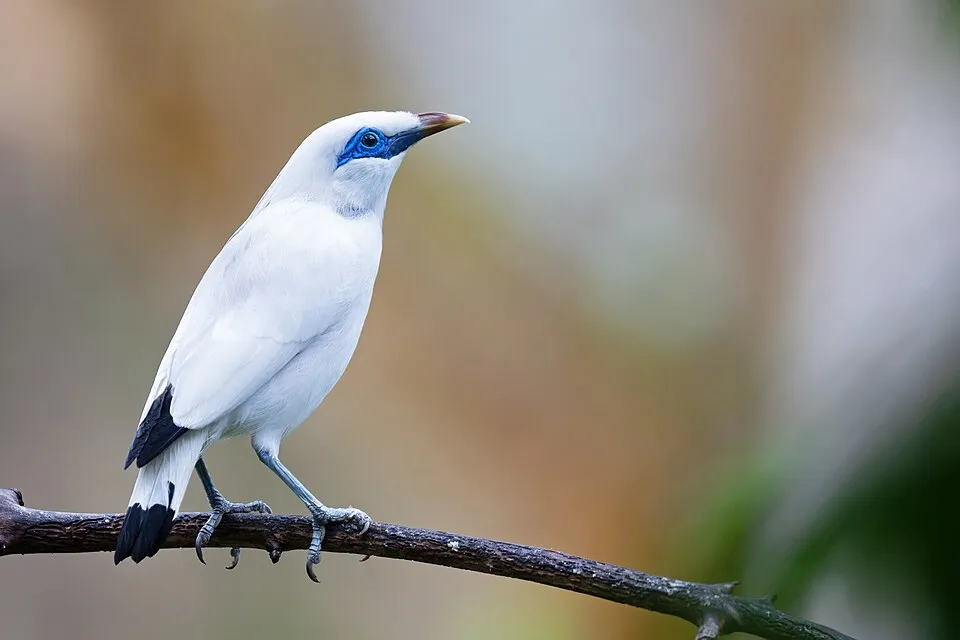
There are 46 bird species that are specifically thought to be threatened by unsustainable use and trade, and have more than 50% of their global habitat within KBAs. For these species, the KBA network is critical in highlighting and prioritising their need for protection. Only 8 of these species also have sufficient habitat in formally protected areas such as the Bali myna (Leucopsar rothschildi), and a further 8 species lack any habitat in protected areas. For these already threatened species, the formal recognition of KBAs as protected areas or Other Effective Area-based Conservation Measures (OECMs) is imperative. As we strive toward the Kunming-Montreal Global Biodiversity Framework’s Targets, including Target 3’s '30x30', success must encompass how well we integrate sustainable management within these sites, protecting threatened bird species while respecting the vital human livelihoods that may have become an inseparable part of these landscapes.
This work clearly underscores that in many locales and contexts, area-based conservation efforts are likely intrinsically linked to the use and trade of species and consequently people’s livelihoods. Ultimately, the success of conserving the species within these sites relies on sustainability and collaboration. The communities and organisations in and around KBAs, including BirdLife partners, must work together to produce and abide by robust policies that benefit both species and communities.