


Kenya Steps Forward in Advancing the Key Biodiversity Areas Process
Author: Paul Gacheru, Nature Kenya
- Five national KBA training sessions were held in 2025, reaching over 200 government practitioners, and 33 conservancy representatives.
- 330 potential KBAs profiled, triggered by 310 species across multiple taxonomic groups.
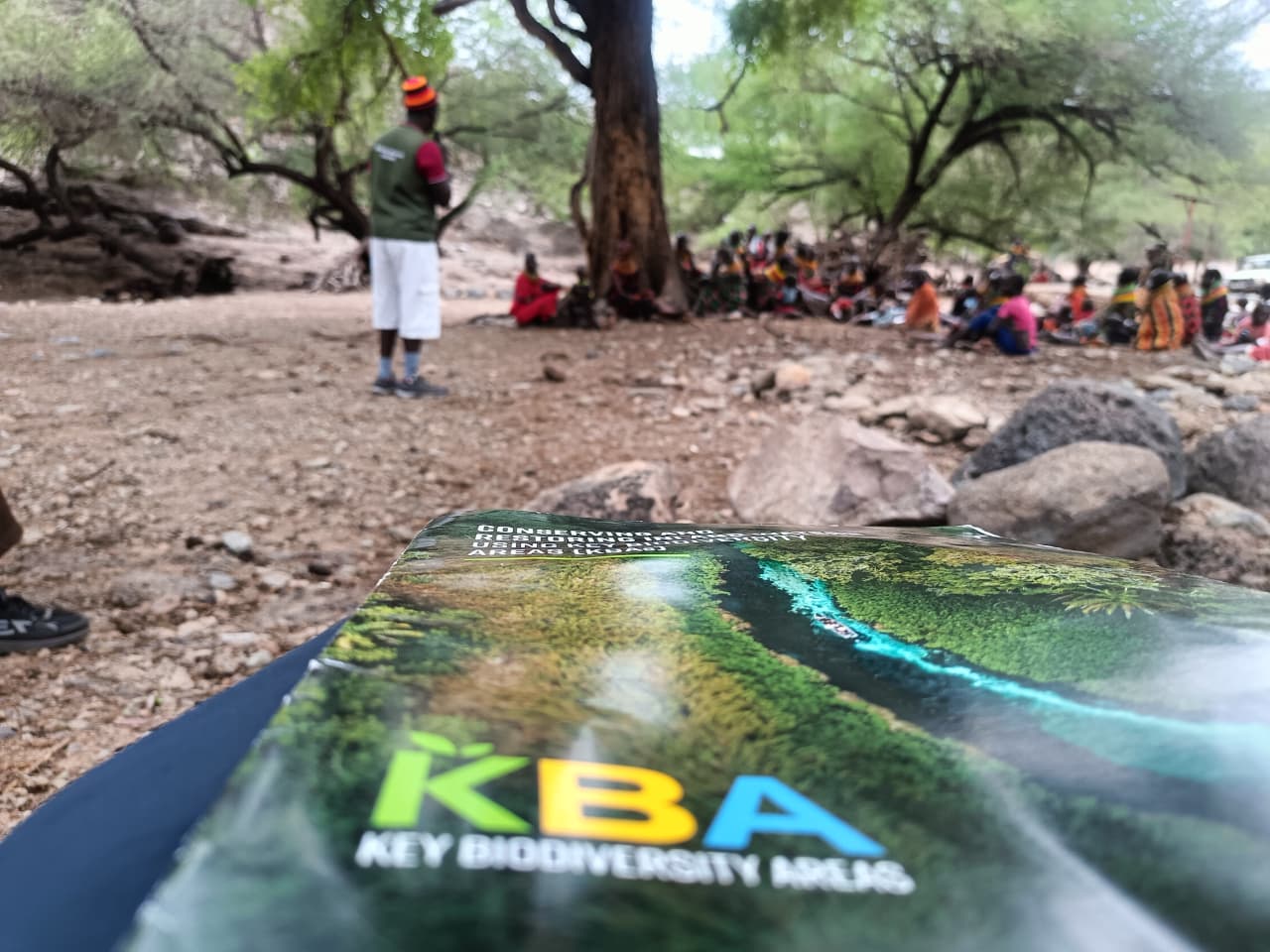
- Site-level community consultations were held in Lake Logipi (Northern Kenya) and Kaya Muhaka (on the Kenyan coast).
- Monitoring of 68 legacy KBAs (2004–2025) indicates deteriorating site conditions, persistent pressures, and reduced conservation response.
In 2025, Kenya made significant progress in strengthening national and regional capacity for KBA identification, monitoring, and reassessment by delivering five national training workshops. These were delivered in collaboration with Kenya’s KBA national focal institutions, namely the Kenya Forest Service (KFS), Kenya Wildlife Service (KWS), Wildlife Research & Training Institute (WRTI), National Museums of Kenya (NMK), and the Kenya Wildlife Conservancies Association (KWCA).
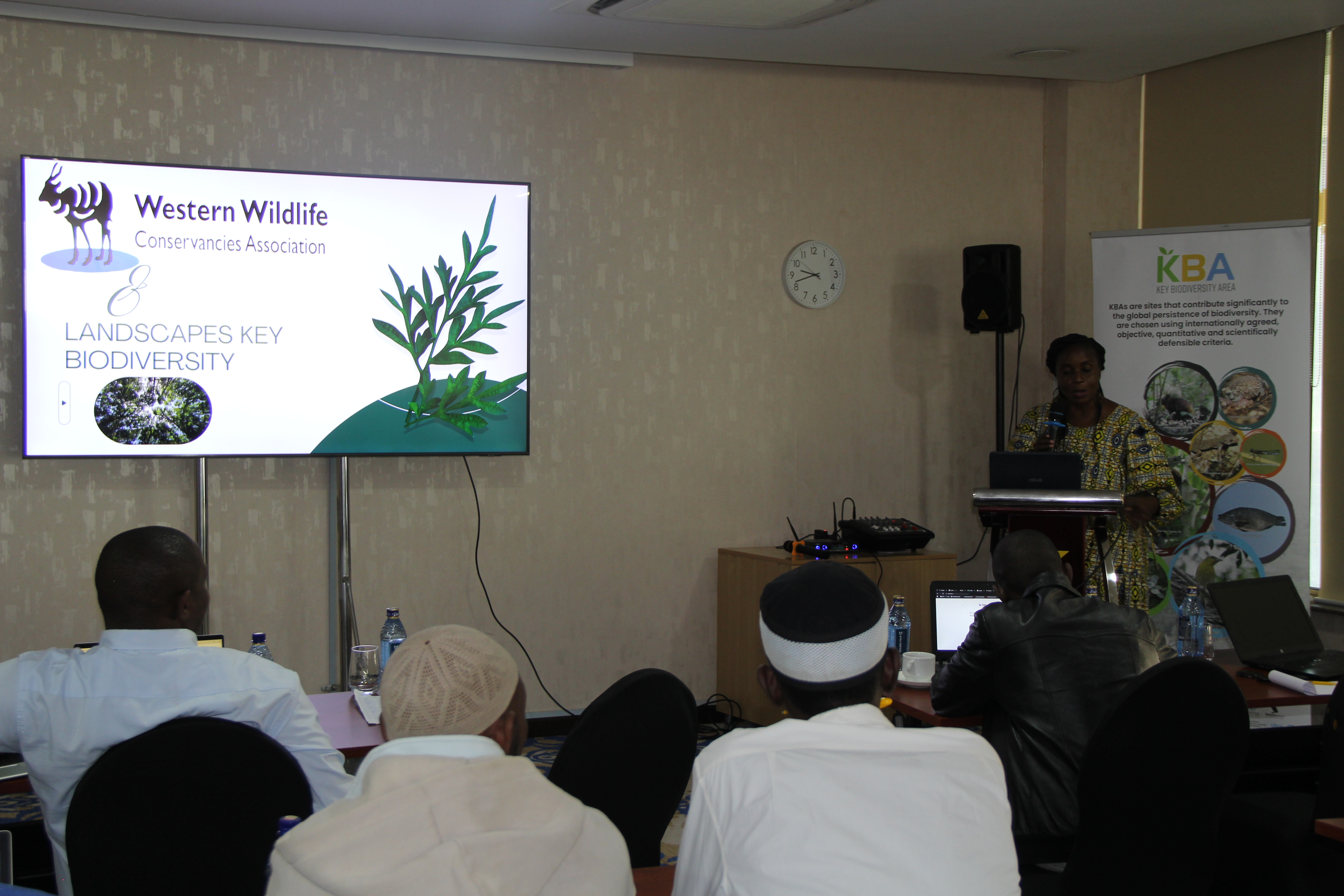
A key insight from the training sessions is that many KBA trigger species - particularly wide -ranging mammals and other species of conservation concern occur predominantly outside formally protected areas, thereby underscoring the need to expand KBA identification efforts beyond traditional protected area networks.
A Coordinated National Approach
The Kenya KBA National Coordination Group (NCG), supported by a monitoring working group and a technical working group comprising taxonomic experts in birds, mammals, reptiles, amphibians, plants, butterflies, and fish was formed to support the KBA reassessment. Through this collaborative effort, 330 potential KBAs have already been profiled, triggered by 310 species. These efforts mark major milestone in expanding the national KBA network. In addition, community consultations were held in areas around Lake Logipi in Northern Kenya, and at Kaya Muhaka on Kenya’s coast, ensuring that local voices help shape KBA ownership and relevance at the grassroots level.
Monitoring Trends and Emerging Concerns
Kenya’s KBA work extends beyond identification. Over the past two decades (2004–2025), 68 legacy KBAs have been monitored in collaboration with key institutions, including the KFS, KWS, WRTI, NMK, and the National Environment Management Authority (NEMA). A recent monitoring report indicates concerning trends: the STATE of KBAs is declining, PRESSURE on sites remains high, and conservation RESPONSE is also decreasing.
Looking Ahead
As KBA initiatives continue to expand globally, Kenya’s experience highlights the importance of combining technical capacity building with strong institutional coordination and community engagement. By aligning local conservation practice with the Global KBA Standard, Kenya is improving the quality, consistency, and availability of biodiversity data needed to support its site designation, reassessment, and long-term conservation action.