New Online Course Shows How Countries Can Use Key Biodiversity Areas to Achieve Global Biodiversity Goals

In response to the pressing issues affecting nature, countries around the world are working to translate global biodiversity commitments into concrete national action. To support this journey, the UNDP launches its new Nature for Life Hub, a year-round capacity-building platform designed to provide the practical tools and knowledge required to walk towards a nature-positive future.
As part of this effort, the platform hosts a new KBA-focused online learning journey to help decision-makers understand where to focus their efforts — and how Key Biodiversity Areas (KBAs) can support implementation of the Kunming–Montreal Global Biodiversity Framework (GBF).
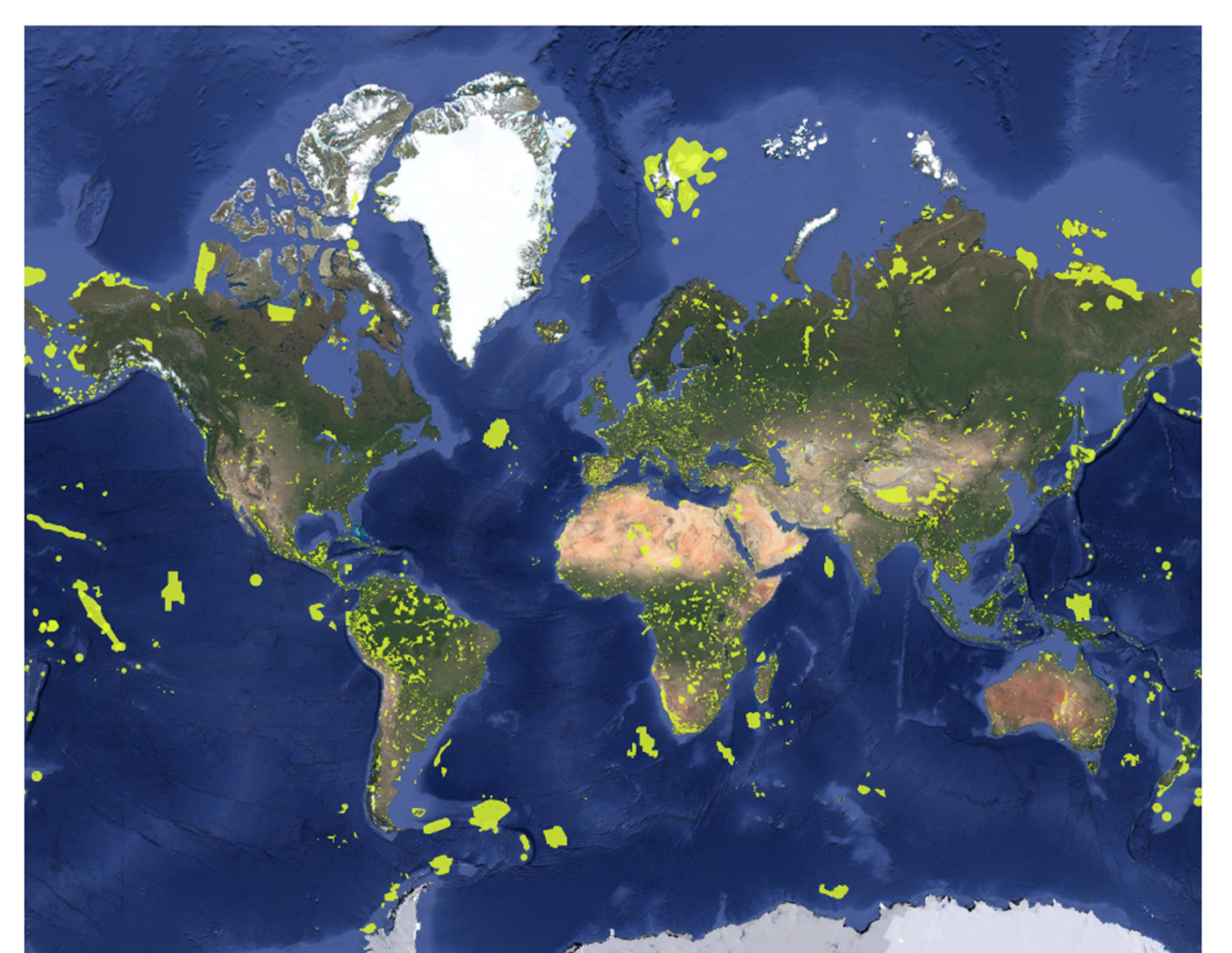
The course titled, Using Key Biodiversity Areas to Improve Implementation of the Kunming–Montreal Global Biodiversity Framework, explains how integrating KBAs into national planning can help countries deliver on six priority GBF targets (Targets 1, 2, 3, 14, 15 and 21). These are spatial planning, restoration, protected and conserved areas, biodiversity mainstreaming, corporate accountability, and knowledge-sharing, respectively; this includes the headline “30x30” target to protect 30 percent of land and sea by 2030.
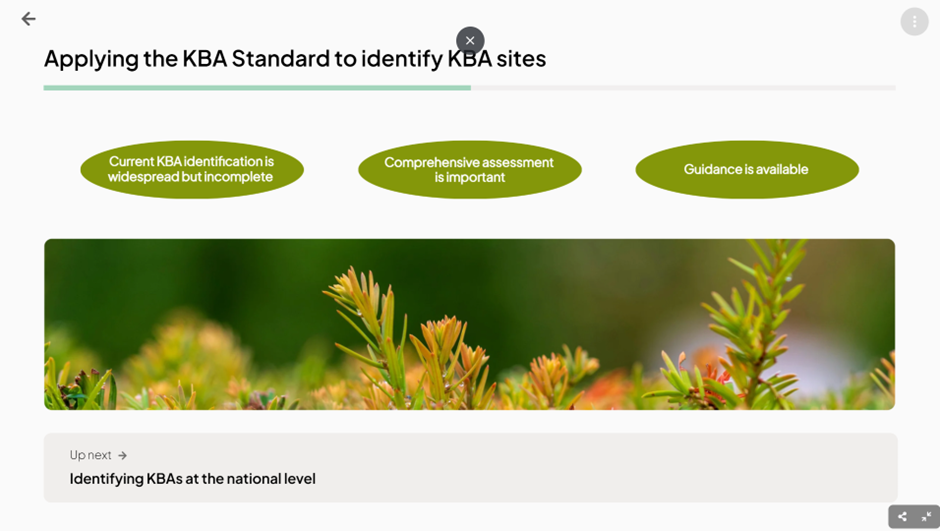
KBAs are globally significant sites for species and ecosystems, identified using a rigorous scientific standard. Because they pinpoint the places that matter most for biodiversity, they provide a practical foundation which can be used to prioritise conservation action, strengthen safeguards, and align development decisions with biodiversity goals. KBAs have already been identified, at least in part, in nearly every country worldwide.
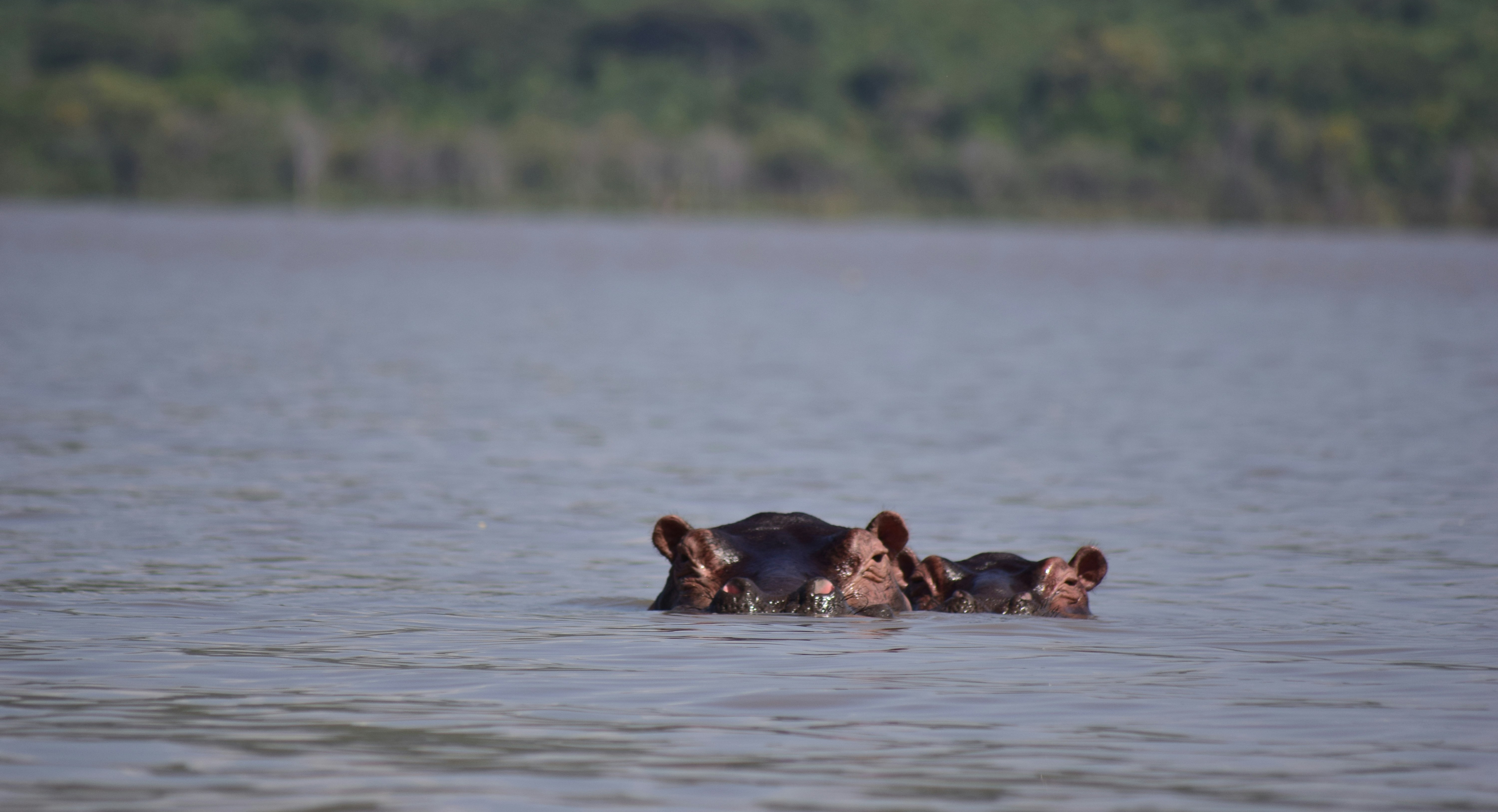

This course demonstrates how KBA data can be incorporated into National Biodiversity Strategy and Action Plans (NBSAPs), inform land-use and restoration priorities, support biodiversity finance, and strengthen environmental risk screening. It also explains how KBAs are recognised within major international safeguard frameworks and how tools such as the Integrated Biodiversity Assessment Tool (IBAT) can help integrate KBA data into planning and reporting processes.
Designed for policymakers, planners, conservation practitioners, and finance professionals, this course provides practical guidance on using site-level biodiversity data to accelerate national implementation of global commitments.
To access the full course, click here.