


Panama Launches National Initiative to Identify Key Biodiversity Areas in Alignment with Global Biodiversity Goals
Author: Amphibian Survival Alliance
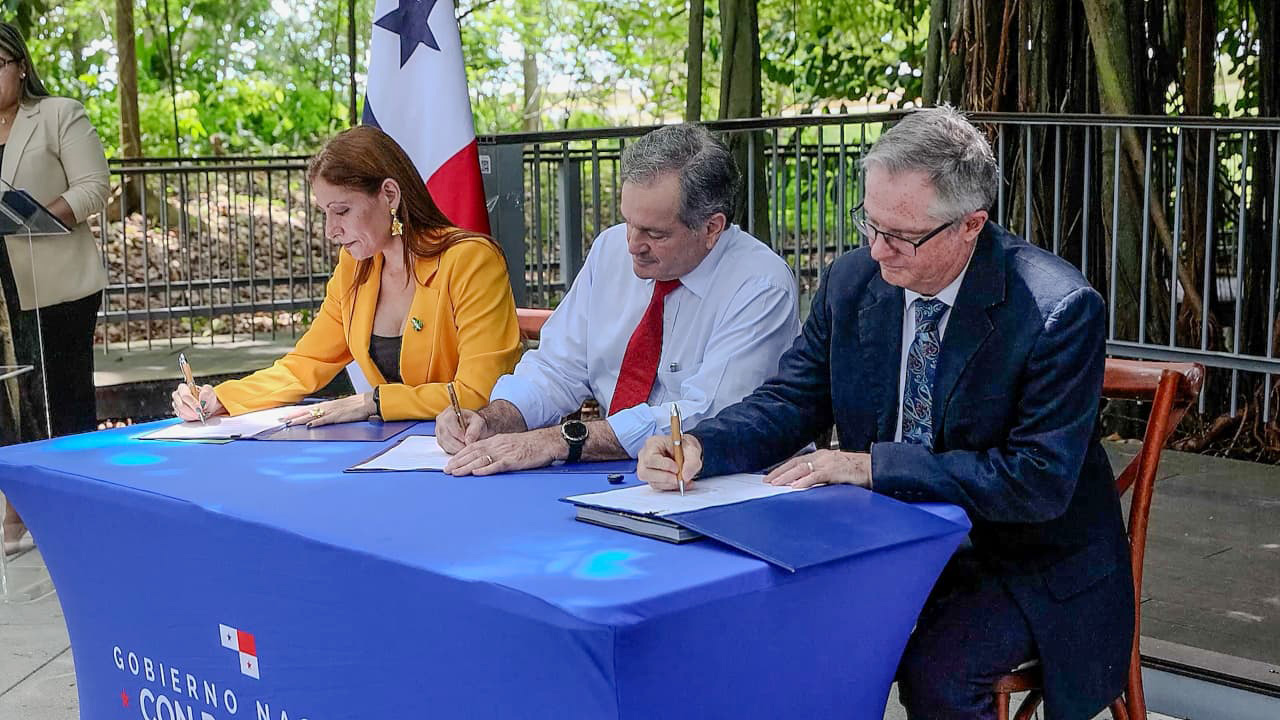
Signing of the MOU between the KBA Partnership and the Ministry of Environment of Panama. From left to right: Dr. Gina Della Togna (Executive Director of the Amphibian Survival Alliance), H.E. Juan Carlos Navarro (Minister of Environment of Panama), and Dr. Andrew Plumptre (Head of the KBA Secretariat). Photo: Ministerio de Ambiente, Panamá.
Panama City, May 18th, 2026. The Ministry of Environment of Panama, H.E. Juan Carlos Navarro, in collaboration with the Key Biodiversity Areas (KBA) Partnership and supported by the Amphibian Survival Alliance (ASA), a partner of the KBA Partnership, has officially launched the National Key Biodiversity Areas (KBA) Assessment through the signing of a Memorandum of Understanding.
This landmark initiative represents a critical step in advancing Panama’s commitments under the Kunming-Montreal Global Biodiversity Framework (KM-GBF), including targets related to biodiversity conservation, spatial planning, ecosystem restoration, and the effective protection of areas of high biodiversity importance.
The National KBA Assessment will identify, map, and document sites that are essential for the persistence of biodiversity across Panama. These results will directly inform the implementation of the country’s National Biodiversity Strategy and Action Plan (NBSAP) and contribute to achieving national conservation priorities, including the 30x30 target to protect and effectively conserve at least 30% of land and marine areas by 2030.
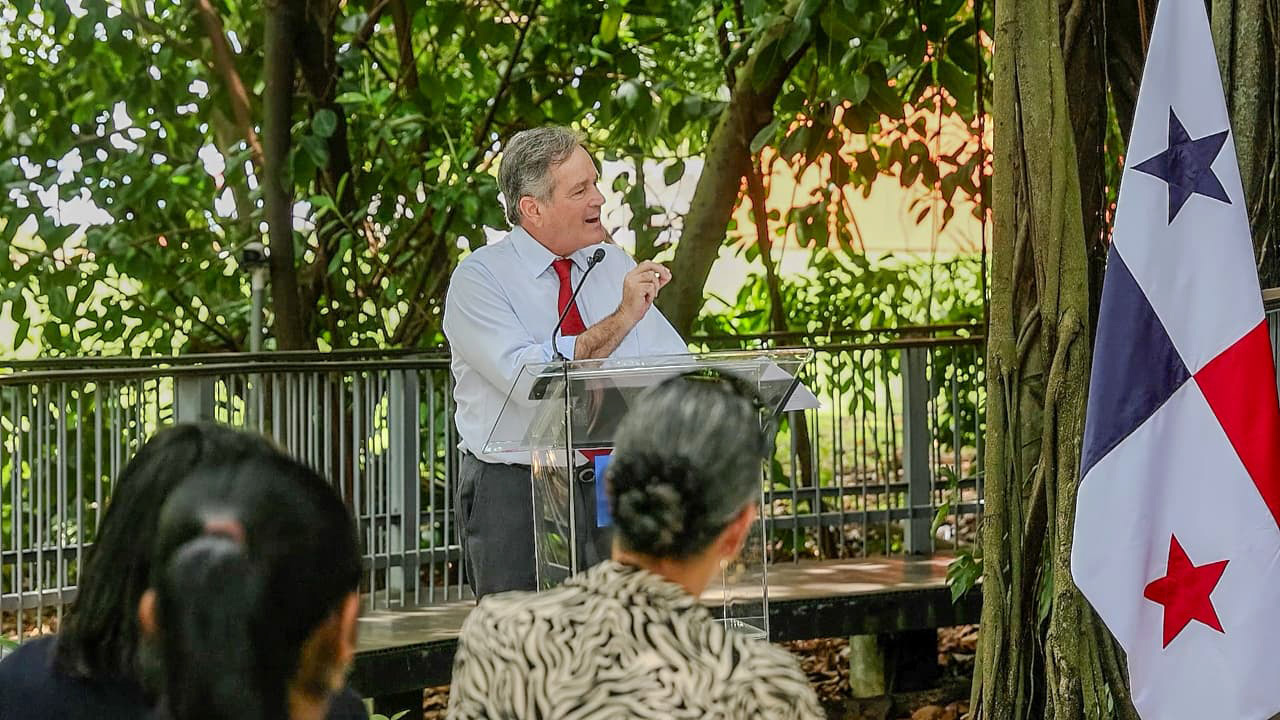
H.E. Juan Carlos Navarro, Minister of Environment of Panama. Photo: Ministerio de Ambiente, Panamá.
H.E. Juan Carlos Navarro, Minister of Environment of Panama, highlighted the importance of the new international collaboration established through the initiative: “Today, Panama strengthens its efforts to protect biodiversity through the support of two important international allies, the Key Biodiversity Areas Partnership and the Amphibian Survival Alliance. This collaboration will help strengthen the national process to identify and protect areas of highest biodiversity importance across the country, including Indigenous territories, through science, international cooperation, and joint action with local communities. Protecting these ecosystems is essential for the future of Panama and for the conservation of biodiversity across the Americas, particularly amphibians, which continue to face alarming declines throughout the region.”
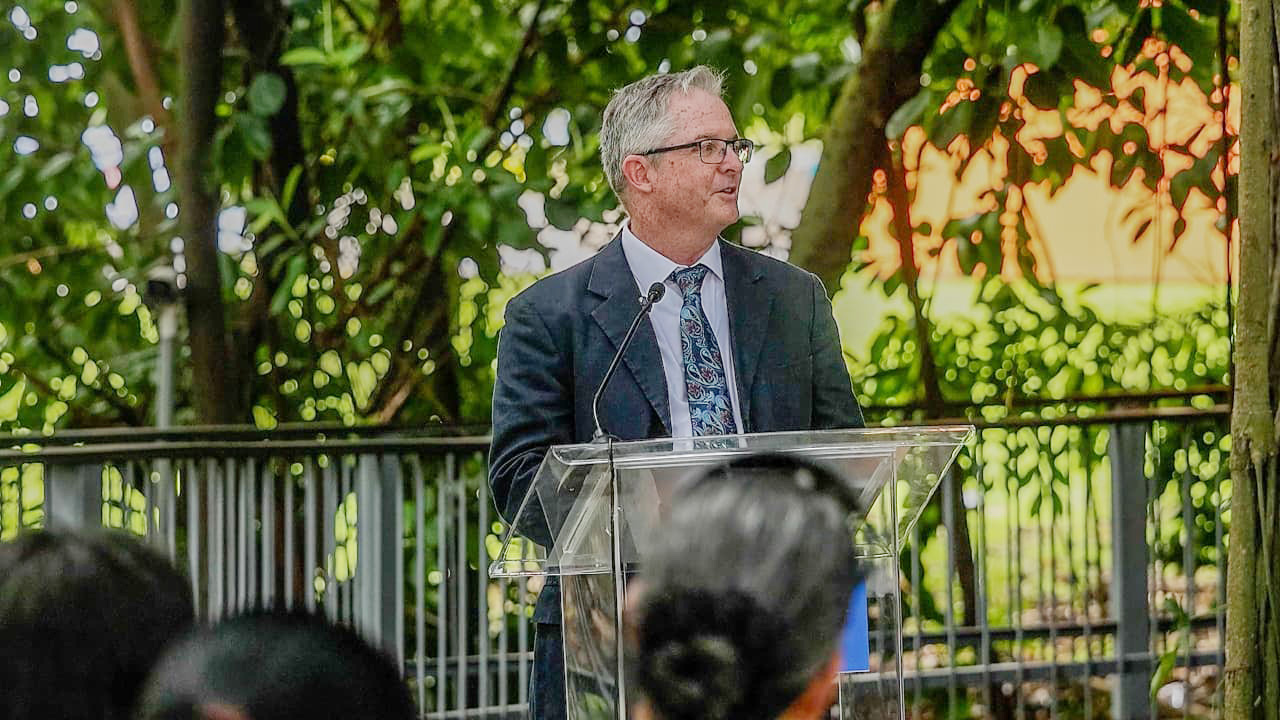
Dr. Andrew Plumptre, Head of the KBA Secretariat. Photo: Ministerio de Ambiente, Panamá.
Dr. Andrew Plumptre, Head of the KBA Secretariat, added:
“Panama’s commitment to undertaking a national KBA assessment demonstrates strong leadership in applying the KBA Standard to guide conservation action. Identifying sites of global biodiversity importance is essential to achieving international targets and ensuring that conservation investments are directed where they are most needed.”
The process will be led by a National Coordination Group (NCG) composed of government institutions, scientific organizations, civil society, Indigenous Peoples, and private sector representatives. This inclusive and science-based approach ensures that biodiversity priorities are identified transparently and integrated into national decision-making processes.
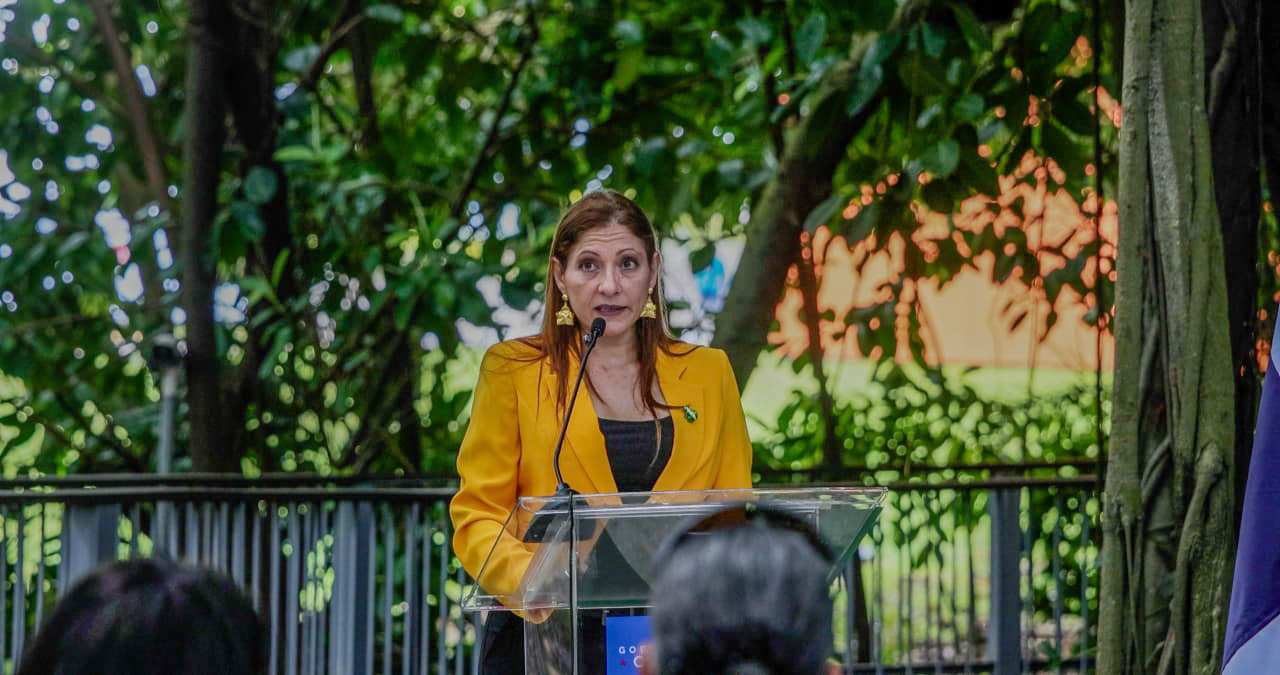
Dr. Gina Della Togna, Executive Director of the Amphibian Survival Alliance. Photo: Ministerio de Ambiente, Panamá.
Dr. Gina Della Togna, Executive Director of the Amphibian Survival Alliance, noted:
“As a partner of the KBA Partnership, ASA is proud to support Panama in advancing this process. This initiative will help translate global commitments into tangible conservation action on the ground while strengthening collaboration across sectors and ensuring the use of the best available science”.
The initiative will also strengthen ecosystem resilience, identify critical habitats, and support the long-term provision of ecosystem services essential for livelihoods, water security, and climate adaptation.
Importantly, the National KBA Assessment will also help position Panama to access and mobilize international biodiversity finance, including opportunities through mechanisms such as the Global Environment Facility (GEF), the Green Climate Fund (GCF), and other multilateral and bilateral funding streams. By identifying priority areas backed by globally recognized standards, Panama strengthens its ability to align conservation investments with national priorities and global commitments.
By aligning national action with global biodiversity goals, Panama reinforces its role as a regional leader in conservation and contributes to the global effort to halt and reverse biodiversity loss by 2030.