


First Global KBAs Recognised in Lake Tanganyika
Author: Thom Starnes
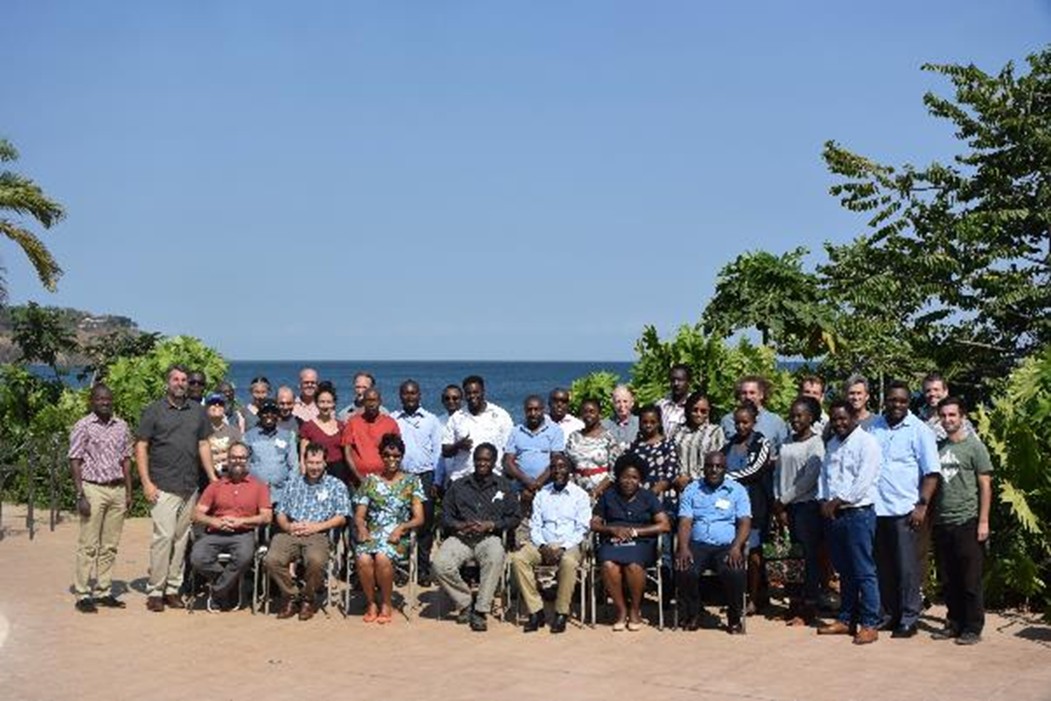
The Lake Tanganyika basin—one of the world’s most evolutionarily important freshwater ecosystems—has taken a major step forward for global biodiversity conservation with the proposal recognition of the first four Key Biodiversity Areas (KBAs) for the lake. These draft sites, developed through nearly a decade of collaborative scientific work, represent a landmark moment for safeguarding the thousands of unique and highly threatened species that make Lake Tanganyika an irreplaceable biodiversity hotspot.
The four KBAs—Mutambala–Nembe River Bay & Shore Northeast of Katanga/Mt Kabobo in DR Congo, and Cameron Bay & Mpulungu in Zambia—span sites of exceptional ecological value. Together, they capture critical spawning grounds, restricted‑range cichlids, pelagic breeding areas, and other ecological processes essential to maintaining the lake’s extraordinary fish diversity.
These proposals are were the product of a multi‑year process involving the Lake Tanganyika Authority (LTA), the Lake Tanganyika Science Advisory Group (LT‑SAG), national experts from all four riparian countries, and extensive species‑level reassessments under the IUCN Red List. Field confirmations of species presence, updated range maps, and newly documented reproductive units were central to meeting global KBA Standard requirements.
A particularly important highlight is that one of the sites qualifies as an Alliance for Zero Extinction (AZE) site, triggered by the entire known global population of Xenotilapia burtoni occurring almost wholly within the proposed Mutambala–Nembe River Bay KBA. This makes the site internationally significant for preventing the extinction of a highly range‑restricted species.
The development recognition of these first KBAs has been made possible through generous support from The Nature Conservancy (TNC), which initiated early delineation work and stakeholder consultations beginning in 2017. Subsequent refinement of the sites—through workshops in Entebbe, Dar es Salaam, Kigoma, and Morogoro—has been shepherded jointly by TNC, IUCN, LT‑SAG and the Lake Tanganyika Authority, culminating in the current set of validated proposals.
While these four sites represent a major milestone, they also highlight the critical need for further biodiversity data collection across the lake. Many candidate KBAs, including sites in Tanzania and Burundi could not yet be confirmed due to insufficient evidence of species’ continued presence or minimum reproductive unit thresholds—key requirements under the KBA Standard. Improved and coordinated surveys, including fish breeding assessments, habitat mapping, and long‑term monitoring, will be essential for unlocking a fuller network of confirmed KBAs across Lake Tanganyika.
These KBAs demonstrate the power of regional collaboration and science‑based conservation to recognise and protect the world’s most irreplaceable biodiversity places. As additional data become available—and with sustained engagement from the LTA, LT‑SAG, local communities, national agencies, and supporting partners—Lake Tanganyika has the potential to become one of the world’s best‑documented freshwater KBA landscapes.
Discover more about the invaluable socioecological potential of Key Biodiversity areas (KBAs) on Lake Tanganyika here.