


Key Updates and New Sites in the March 2026 WDKBA Update
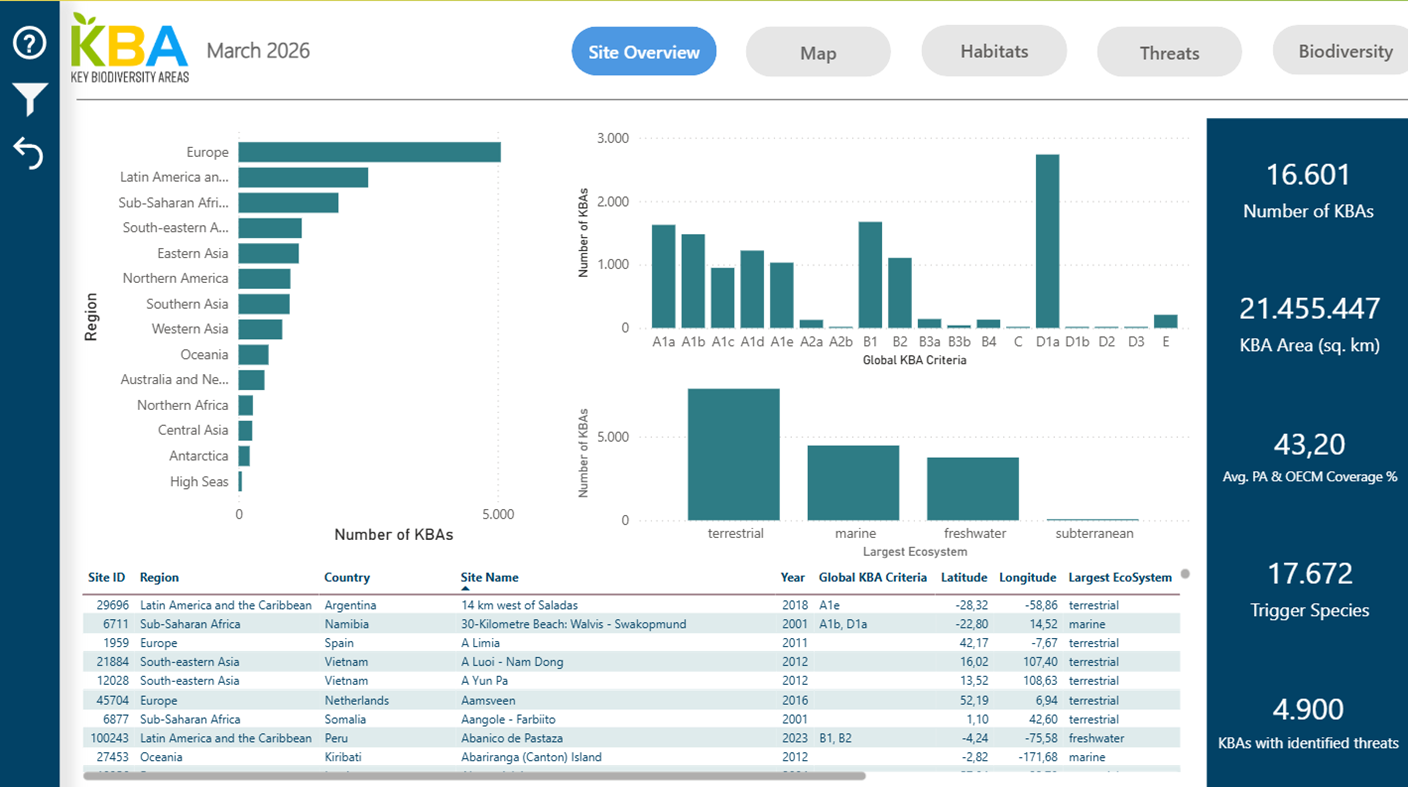
The latest update of the World Database of Key Biodiversity Areas WDKBA is now live. As of March 2026, the number of sites is a staggering 16,601 KBAs, including 19 brand new sites, and 27 previously existing KBAs that were reassessed since the last update in September 2025. Also, 3 sites were superseded having been replaced by some of the assessed or reassessed sites, and 17 legacy sites were delisted as KBAs. The boundaries of a further 19 sites were improved either to align them with protected areas, habitats, or other topography as appropriate and in consultation with the original proposers.
Biodiversity updates
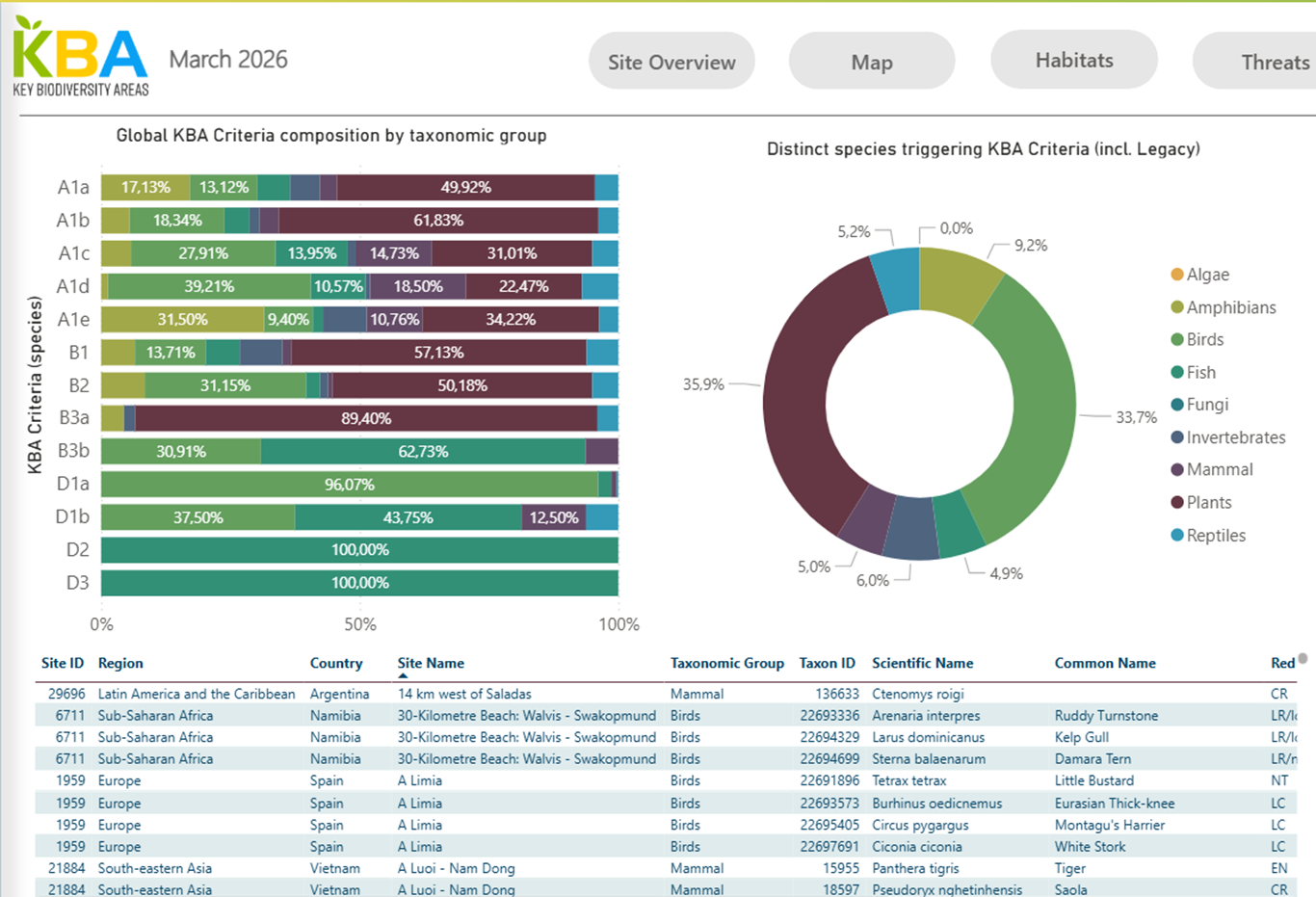
In terms of biodiversity, 86 species triggered KBA Criteria – most of them are new to the WDKBA. With these new additions, the total number of qualifying species rises to 17,672, with plants as the most numerous group with 6,343 species, representing 35.9% of the total of qualifying species. They are followed by birds and amphibians, with 5,960 and 1,631 qualifying species, respectively. The remaining species are invertebrates (1,054), reptiles (925), mammals (880) and fish (870).
Expansion of KBA national networks
The numbers in this update reflect the work and efforts to expand national KBA networks in 14 countries across various regions: Canada, Papua New Guinea, Mexico, Colombia, China (mainland), DR Congo, Guatemala, Zambia, Cook Islands, Costa Rica, Madagascar, Solomon Islands, Uzbekistan, and Vanuatu.
First four KBAs for Lake Tanganyika
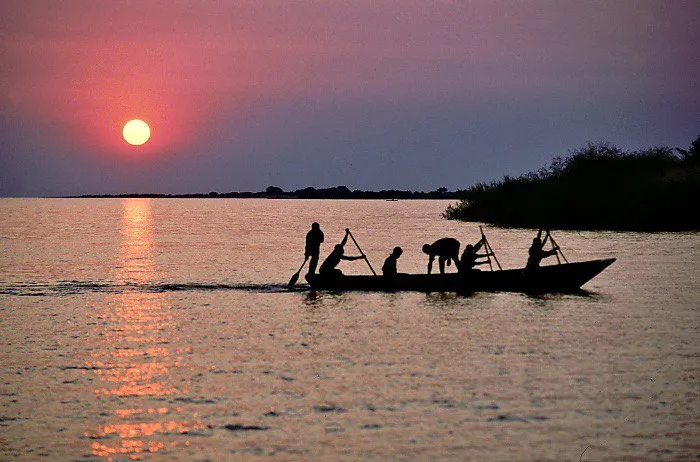
Lake Tanganyika is an African Great Lake shared by Tanzania, the Democratic Republic of Congo, Burundi, and Zambia. The recognition of its first four KBAs is a crucial step for the protection of its biodiversity. The newly confirmed sites are Mutambala–Nembe River Bay & Shore Northeast of Katanga/Mt Kabobo in DR Congo, and Cameron Bay & Mpulungu in Zambia. For more information on the proposal of these sites, read this related story.
Sensitive sites
Summary data for all KBAs can be accessed on the KBA website’s dashboard, site search and map search, in the “Explore Data” section. However, locations of sensitive sites remain hidden to protect trigger species found at these sites, which face potential threats like poaching and other human related activities. For more information on sensitive sites, see here.